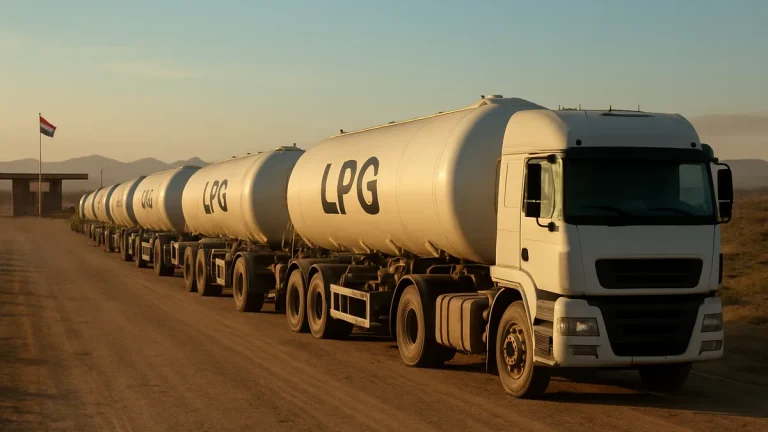
Global energy markets experienced significant turbulence late Sunday following coordinated military strikes by the United States and Israel targeting Iran. This aggressive action sent shockwaves through international oil and stock markets, with crude prices surging sharply while equity futures declined in early trading sessions. The strikes mark a serious escalation in the already strained relations between the US and Iran, raising concerns about the stability of global energy supplies.
US crude oil futures surged by nearly 8 percent, climbing approximately $5 to hover around $72 per barrel shortly after markets opened. Meanwhile, Brent crude, the international benchmark, experienced an even more dramatic spike, briefly jumping over 12 percent to reach nearly $82 per barrel before retreating slightly to just below $80. This is a notable increase from Friday’s closing price, where Brent settled just above $73 per barrel, underscoring the market’s sensitivity to geopolitical developments in the Middle East.
In contrast to the rally in energy commodities, equity markets reacted negatively. Futures linked to major US indices such as the S&P 500, Nasdaq, and Dow Jones Industrial Average each declined by about 1 percent. However, energy sector stocks bucked this downward trend, with shares of industry giants ExxonMobil and Chevron rising roughly 2 percent in futures trading. Defense contractors, including Northrop Grumman and Lockheed Martin, also saw modest gains, reflecting investor anticipation of increased military spending amid the conflict.
Despite the sharp initial jump in oil prices, market analysts had largely anticipated this reaction. Prices had been climbing steadily in the days leading up to the strikes as investors prepared for potential military action against Iran. Currently, traders seem to be betting that any disruption to oil supplies will be temporary and limited in scale, even as US President Donald Trump warned that the conflict could extend over several weeks. This cautious optimism, however, remains fragile given the unpredictable nature of the situation.
Looking ahead, the outlook for oil markets remains highly uncertain. Experts warn that if the conflict drags on, causes significant damage to oil infrastructure, or results in the closure of critical shipping routes, crude prices could soar to $100 per barrel or beyond. Such a surge would have immediate repercussions for consumers worldwide, driving gasoline prices higher and exacerbating inflationary pressures on everyday living costs.
Iran’s strategic importance in the global oil landscape cannot be overstated. The country holds the world’s third-largest proven oil reserves, OPEC, and is a key exporter, especially to major consumers like China. Its geographic location also grants it control over the Strait of Hormuz, a vital maritime chokepoint through which a significant portion of the world’s oil supply is transported. This narrow waterway along Iran’s southern coast is crucial for the shipment of crude from Gulf producers including Saudi Arabia and Kuwait.
In response to the escalating tensions, OPEC and its allied producers announced early Sunday an increase in their collective oil output by 206,000 barrels per day, following a previous pause in gradual production hikes. This move came after an addition of 137,000 barrels per day in the fourth quarter of the previous year. While this boost in supply might help alleviate some market pressures, energy experts caution that it is unlikely to fully counterbalance the impact of any major disruptions should the conflict intensify.
The Strait of Hormuz remains at the center of investor anxiety. Approximately 20 million barrels of oil, which accounts for about one-fifth of the global daily supply, transit this narrow passage each day, the US Energy Information Administration. Iran has a history of threatening to close the strait during periods of heightened geopolitical tension, a move that would have severe consequences for global energy markets. During a confrontation with Israel last year, analysts at Goldman Sachs estimated that a prolonged closure could push oil prices well above $100 per barrel.
Such a shutdown would likely trigger a global energy crisis, with ripple effects felt far beyond the Middle East. Another significant concern is the vulnerability of Saudi Arabia’s oil infrastructure. The 2019 drone and missile attack on the Abqaiq processing facility temporarily crippled a substantial portion of Saudi oil production, highlighting the fragility of critical energy assets. Repairing such damage is complicated by the specialized equipment required, which is not easily replaced, potentially prolonging any supply disruptions.
Asian economies, particularly China and India, stand to suffer the most from any interruption in the Strait of Hormuz. These countries are heavily reliant on oil imports from the region, and any disruption would force them to scramble for alternative sources, driving up global prices further. Since oil is a globally traded commodity, supply shortages in one area tend to elevate prices worldwide as buyers compete for limited barrels.
China’s dependence on Iranian crude is especially noteworthy. Should Iranian exports be curtailed, China would be compelled to seek alternative suppliers, intensifying competition in an already tight market. This dynamic could exacerbate price volatility and strain global energy security.
From a consumer perspective, the conflict raises the likelihood of rising fuel costs and renewed inflationary pressures. Iran ranks as the world’s sixth-largest oil producer, and any prolonged involvement in hostilities could push wholesale gasoline prices up by as much as 25 cents per gallon immediately. Retail gasoline prices might increase by 5 to 10 cents daily in the short term. This comes after a period when US gasoline prices had fallen below $3 per gallon for the first time in four years, averaging $2.98 nationally the American Automobile Association.
The Trump administration has touted declining fuel prices as a significant economic achievement, but the recent escalation in Iran threatens to reverse this positive trend. Markets have reacted sharply to similar flare-ups in the past. For instance, when Israel launched strikes on Iran last June, Brent crude experienced its largest single-day gain since March 2022, surging further after the US joined the conflict before easing once a ceasefire was established.
At present, investors and policymakers alike are closely monitoring developments to determine whether this latest escalation will be short-lived or signal the beginning of a more protracted and disruptive phase for global energy markets. The stakes are high, as any sustained conflict in the region could reshape the economic landscape far beyond the Middle East.