In Karachi, a wave of unrest erupted outside the United States Consulate General as demonstrators gathered to express their outrage over the martyrdom of Iran’s Supreme Leader, Ayatollah Ali Khamenei. The initially peaceful protest escalated when some participants began hurling stones towards the consulate building, prompting law enforcement to respond with tear gas and other crowd control tactics. The violent confrontations tragically resulted in at least ten fatalities and left 36 individuals wounded, casting a shadow over the city’s already tense atmosphere.
Deputy Commissioner South Karachi, Javed Nabi Khoso, confirmed that the injured and deceased were swiftly transported to Civil Hospital Karachi for medical attention. Among the deceased, seven victims have been identified by name: Kazim, Mubarak, Adeel, Abbas, Sajid, Khawar, and Mohammad Ali. However, two bodies remain unidentified as hospital staff continue their efforts to ascertain their identities. Medical officials revealed that the injuries sustained ranged from gunshot wounds and baton blows to trauma caused by stampedes during the chaotic clashes.
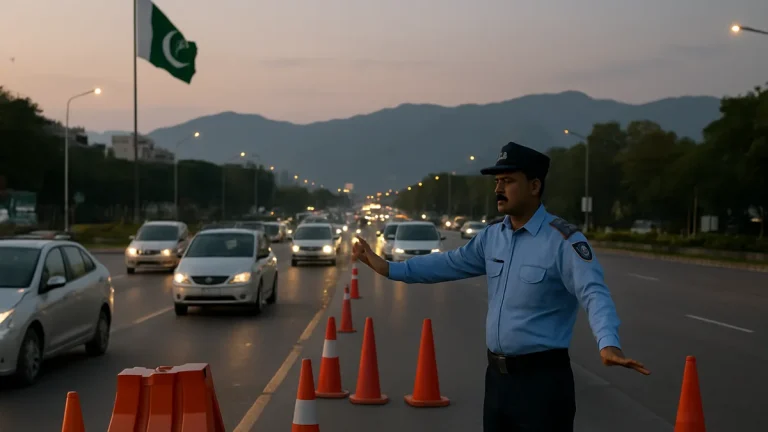
Dr. Sabir Memon, who heads the Trauma Centre at Civil Hospital, provided further insight into the severity of the situation. He noted that eight bodies were initially brought in, alongside twenty patients requiring urgent treatment. Unfortunately, one of the critically injured succumbed to their wounds shortly after admission. The violence also severely disrupted Karachi’s traffic flow, with key roads from Sultanabad to Mai Kolachi being shut down. This closure resulted in significant congestion, forcing traffic authorities to reroute vehicles via Jinnah Bridge to II Chundrigar Road, implement U-turns at Mai Kolachi Phatak for traffic coming from Boat Basin, and divert vehicles from the PIDC area back to their origins.
In response to the turmoil, Sindh Home Minister Ziaul Hassan Lanjar demanded a comprehensive report from the Additional Inspector General of Police in Karachi. He emphasized that the government would not tolerate any attempts by individuals or groups to undermine law and order through violence or vigilantism. His statement underscored the administration’s commitment to restoring peace and holding those responsible accountable under the law.
Meanwhile, similar protests took place in other major cities across Pakistan. In Islamabad, a rally organized to condemn US and Israeli attacks on Iran became tense near Serena Chowk on Embassy Road. Interior Minister Mohsin Naqvi personally arrived at the scene to appeal to the demonstrators to maintain peace and avoid any escalation. In Lahore, the Ittehad-e-Ummat Forum staged a protest against Khamenei’s martyrdom, which also turned volatile, prompting police to deploy tear gas to disperse the crowd when tensions rose.
Law enforcement in Peshawar took preemptive measures by preventing protesters from advancing towards the US Consulate, aiming to avoid a repeat of Karachi’s violent clashes. Additionally, in Islamabad, authorities imposed strict security measures by closing all roads leading to the Red Zone, the area housing parliament and various diplomatic missions. The district administration enforced Section 144, prohibiting all public gatherings in the sensitive zone. Officials warned that anyone violating these orders would face stringent legal consequences and urged citizens to refrain from participating in any unauthorized demonstrations.
The recent unrest highlights the volatile nature of public sentiment in Pakistan regarding international developments, particularly those involving Iran and its leadership. The government’s swift and firm response across multiple cities reflects a broader strategy to maintain order and prevent further escalation of violence amid a highly charged political and social environment.