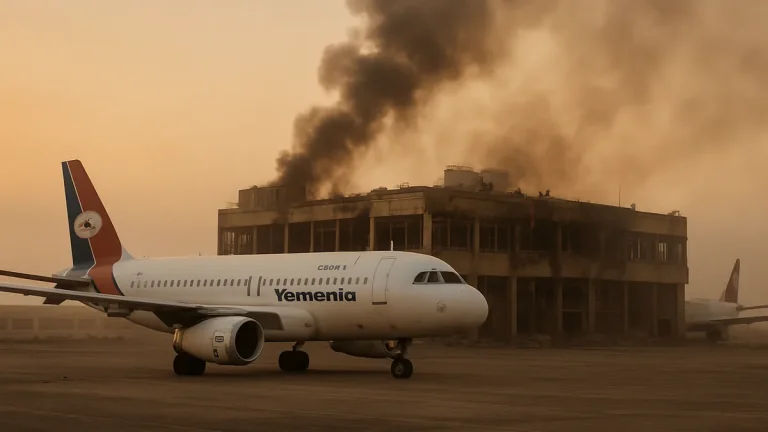
In a significant disruption to air travel, over 150 flights from Pakistan to various Middle Eastern countries have been cancelled amid increasing geopolitical tensions involving Iran, Israel, and the United States. This wave of cancellations has affected numerous passengers, leaving many stranded and causing widespread inconvenience across multiple airports in Pakistan.
At Allama Iqbal International Airport in Lahore alone, authorities halted 22 international flights, marking one of the largest single-day cancellations at the facility in recent times. Meanwhile, Islamabad International Airport saw 18 international departures called off, further compounding the travel difficulties faced by passengers attempting to reach destinations in the Middle East. These cancellations reflect the growing concerns over safety and security in the airspace above the region.
Beyond Lahore and Islamabad, other major airports including those in Multan, Sialkot, Peshawar, and Quetta also experienced flight suspensions. The disruptions were not limited to smaller hubs; Jinnah International Airport in Karachi, Pakistan’s busiest airport, also suspended several flights scheduled to depart for Middle Eastern cities. This widespread impact underscores the seriousness with which aviation authorities are treating the evolving security landscape.
Aviation officials have clarified that these cancellations are precautionary steps taken to ensure passenger safety amid the volatile situation unfolding in the Middle East. The tensions between Iran, Israel, and the United States have escalated in recent weeks, raising concerns about potential risks to commercial flights operating in the region’s airspace. As a result, airlines and regulatory bodies are closely monitoring developments and adjusting flight operations accordingly.
Passengers affected by these cancellations have been urged to maintain close communication with their respective airlines for the latest updates and revised travel plans. Many travelers are now facing uncertainty regarding their itineraries, with some flights being rescheduled or rerouted as airlines seek alternative solutions. The situation remains fluid, and further changes to flight schedules are possible depending on how the geopolitical tensions evolve.
It is worth noting that the Middle East remains a critical destination for Pakistani travelers, including expatriates, business professionals, and pilgrims. The disruption of air services to this region not only affects individual passengers but also has broader implications for trade, commerce, and cultural exchanges between Pakistan and Middle Eastern countries. Authorities continue to assess the situation closely, balancing the need for security with the importance of maintaining vital air links.