

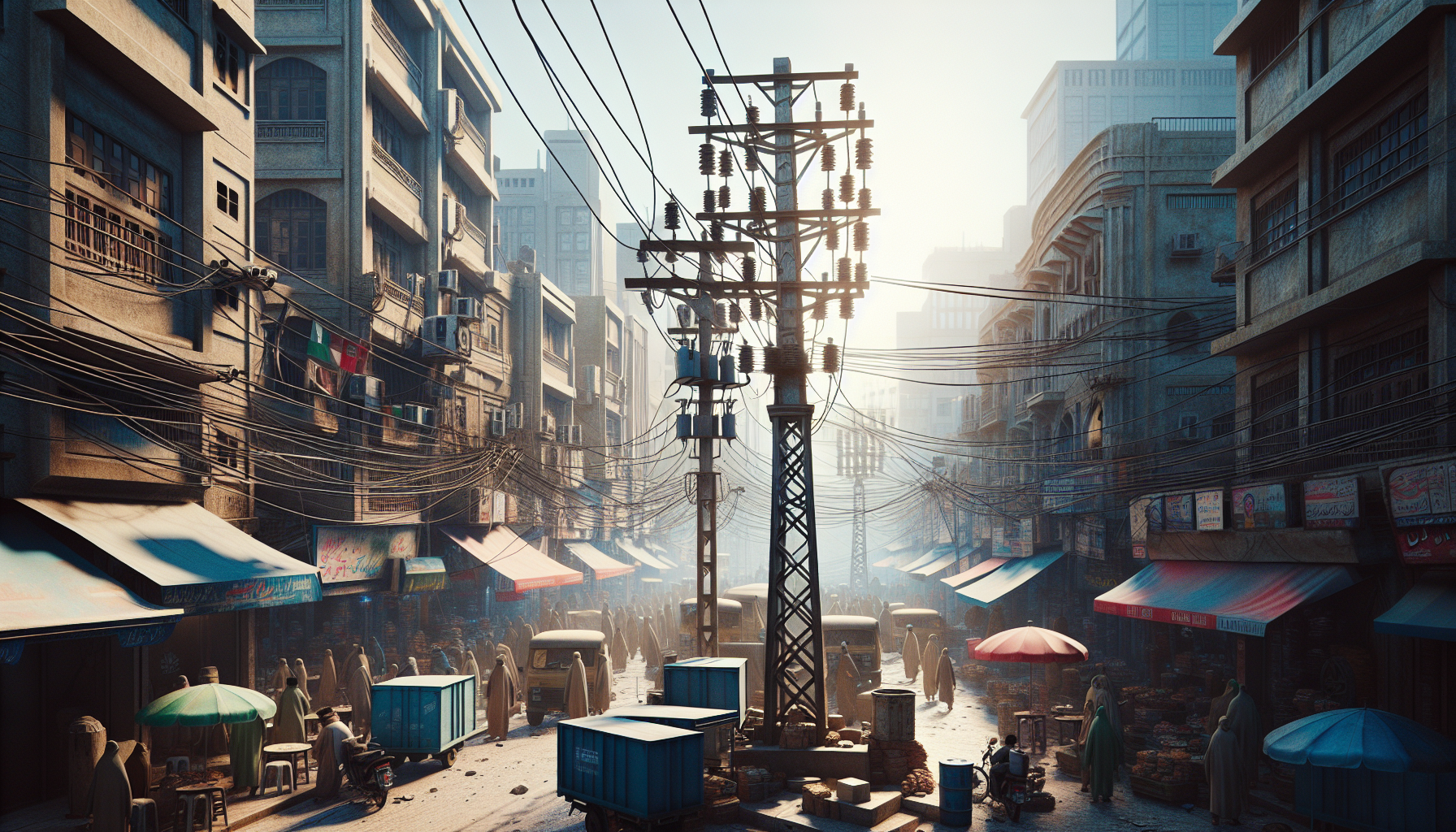
Karachi, Pakistan’s commercial capital, is currently enduring significant power shortages and extended load-shedding as electricity demand surges sharply across the city. The demand for electricity has reportedly climbed to approximately 3,500 megawatts, while the supply remains limited to around 3,000 megawatts, creating a substantial deficit.
Officials from K-Electric, the city’s primary power supplier, have neither confirmed nor denied these figures. However, residents across various neighborhoods have experienced prolonged power outages due to this supply-demand gap.
Areas such as Surjani Town, Baldia Town, and Lyari have faced load-shedding lasting up to 18 hours. Meanwhile, North Karachi, Liaquatabad, Nazimabad, and Garden have reported outages of around eight hours. In Soldier Bazaar and parts of Saddar, electricity cuts have extended to as long as 12 hours.
These extended power disruptions have also impacted water availability in multiple localities, as electric pumps essential for water supply have been affected. This situation exacerbates the difficulties faced by residents during the ongoing outages.
Pakistan’s energy sector continues to grapple with challenges including circular debt, transmission bottlenecks, and increasing demand during peak summer months. Despite the installed generation capacity, these issues frequently lead to urban load-shedding, particularly in major cities like Karachi.
K-Electric has yet to provide an official statement regarding the reported shortfall between supply and demand or the detailed schedule of power outages affecting the city.
