

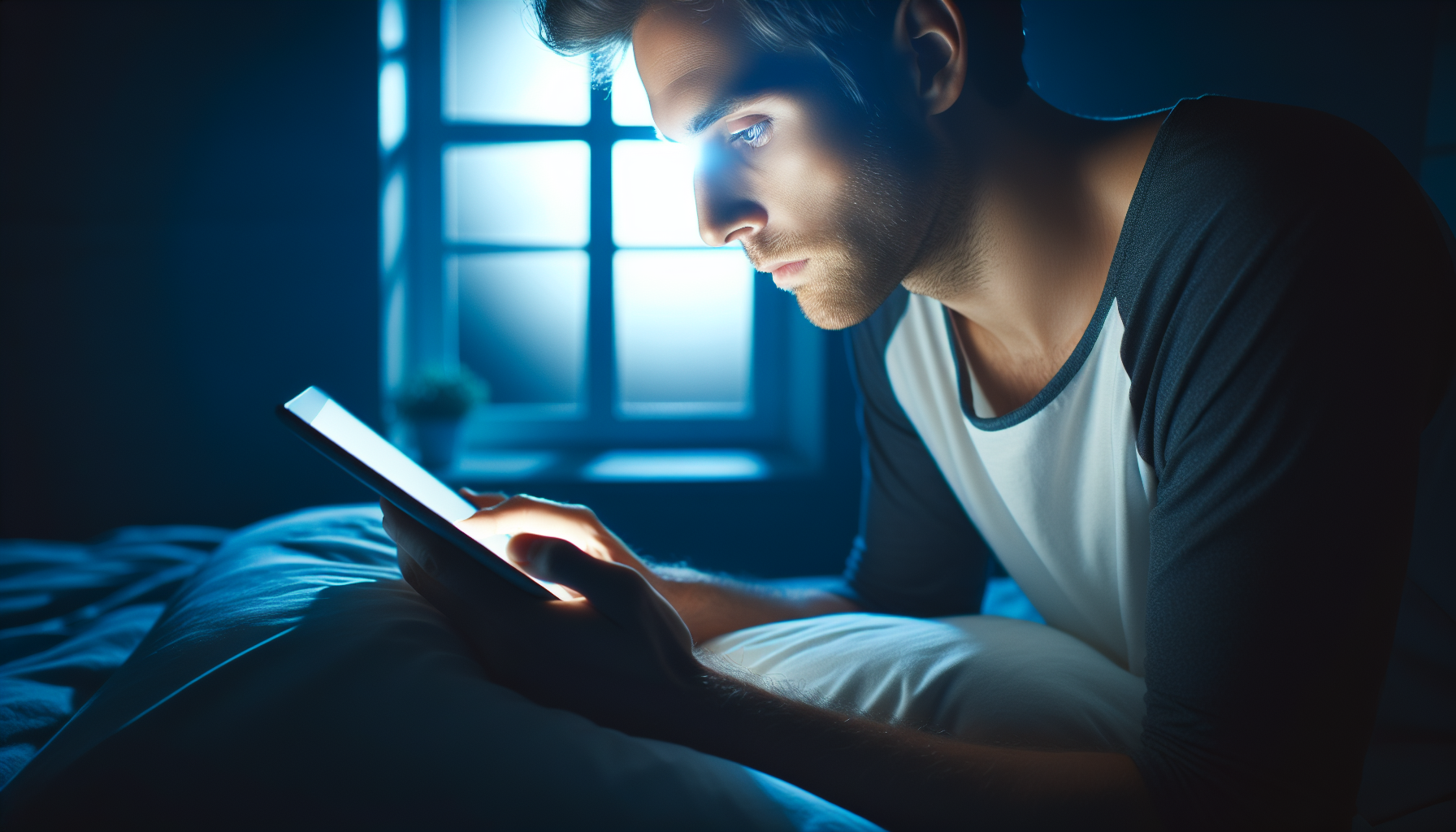
Concerns about blue light from screens disrupting sleep may be overstated, despite its widespread reputation as a sleep disruptor. While studies have linked blue light to altered sleep patterns, the actual impact of device exposure is more complex than commonly believed.
In a detailed review of existing research, Thomas Germain examined the nuances behind blue light’s effects on sleep. The alarm over blue light intensified following a 2014 study that investigated the consequences of using an iPad before bedtime. This research found that participants who read on an iPad took longer to fall asleep, experienced increased morning grogginess, and had reduced melatonin production. The study concluded that exposure to light-emitting devices before sleep disrupts circadian rhythms through biological mechanisms.
However, Jamie Zeitzer, a professor of psychiatry and behavioral sciences at Stanford University, criticized the study as misleading. While not disputing the scientific data, Zeitzer argued that the conclusions drawn led to misconceptions. He pointed out that the light emitted by modern screens is minimal and does not replicate the controlled laboratory conditions where participants are kept in dim environments before exposure to bright light.
Further research cited by Germain suggests that 24 hours of exposure to blue light from contemporary devices equates roughly to just one minute spent outdoors. Additionally, studies indicate that commonly used blue light filtering glasses do not effectively mitigate the impact of screen light.
In a significant development, the timing of light exposure has emerged as a critical factor. Zeitzer emphasized that increasing natural light exposure during the day can lessen the adverse effects of screen light in the evening, highlighting the importance of daily light patterns over mere screen avoidance.
