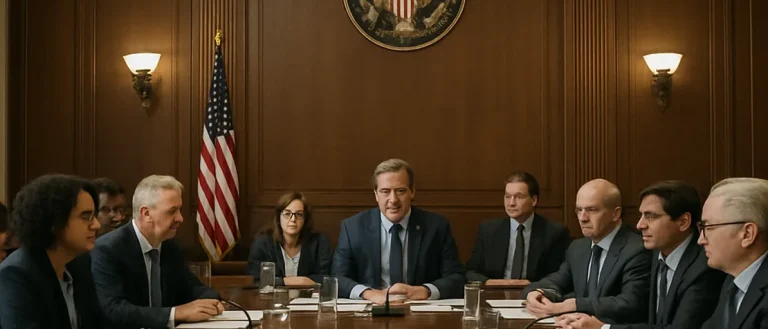

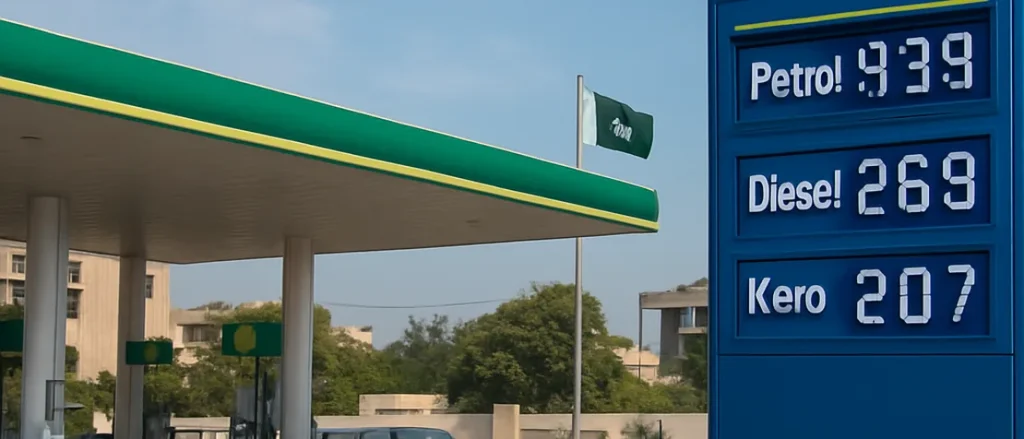

ISLAMABAD: Petroleum Minister Ali Pervaiz Malik stated that the government cannot alter petroleum levy targets outlined in the budget without first consulting its multilateral partners. He made these remarks during a session of the National Assembly Standing Committee on Petroleum.
Committee Chairman Mustafa Mahmood highlighted the critical importance of diesel availability, noting its essential role in agriculture and goods transportation. Committee member Saif-ul-Mulook Khokhar questioned the rationale behind the high levies on petrol and diesel, describing them as a significant burden on the public and an easy method for tax collection.
Minister Malik attributed the disruption in petrol, diesel, and crude oil supplies to regional tensions, calling the situation a major crisis. He remarked that diesel prices had reached unprecedented levels globally and acknowledged the hardships faced by the public. He clarified that the petroleum levy functions as a form of non-tax revenue.
PPP leader Naveed Qamar pointed out that parliamentarians do not vote on the levy since it remains under the executive’s control. Malik confirmed the levy stands at Rs80 per litre for both petrol and diesel and noted that all relevant details are available on the Oil and Gas Regulatory Authority (OGRA) website.
Qamar also questioned the government’s involvement in setting petroleum product prices, noting the shift from a 30-day pricing formula to a 15-day formula, and then towards daily pricing. Malik responded that OGRA is responsible for determining prices. He added that if diesel prices were at Rs600 per litre, it would have caused public uproar, but the government has improved the supply chain and curtailed profiteering.
The minister further stated that approximately 70% of diesel is refined domestically. He reported that Pakistan Refinery is operating at 84% capacity, National Refinery at 85%, and PARCO is functioning at full capacity. Additionally, four refineries have signed agreements to produce Euro V-compliant fuel, with negotiations ongoing with another refinery.
Malik mentioned that the government is preparing a winter plan on a daily basis and has ensured gas supply to consumers during meal times despite challenging conditions. He also highlighted efforts to fully digitalize the fuel supply chain to enhance efficiency and transparency.