



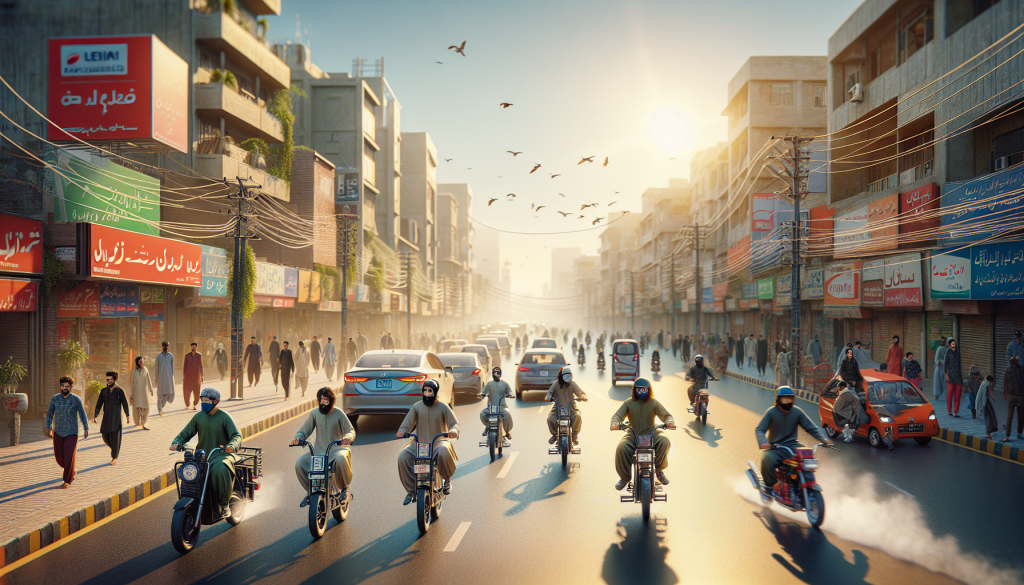
With petrol prices escalating sharply in Pakistan, many commuters are reconsidering their transportation options. E-bikes have gained attention as a potentially cost-saving alternative to traditional petrol-powered vehicles. These electric two-wheelers promise lower running costs due to cheaper electricity compared to fuel, making them attractive for daily travel in urban and semi-urban areas.
In a significant development, the shift towards e-bikes could reduce dependence on volatile fuel markets and ease financial burdens on consumers. However, the initial investment cost, battery life, and maintenance expenses remain critical factors influencing their overall affordability. Additionally, the availability of charging infrastructure and government incentives play a vital role in accelerating e-bike adoption across Pakistan.
Meanwhile, the environmental benefits of e-bikes, such as reduced emissions and noise pollution, add to their appeal amid growing concerns over air quality. As Pakistan grapples with energy challenges and inflation, e-bikes represent a promising yet complex solution to urban mobility and cost management. The ongoing debate highlights the need for comprehensive policies to support sustainable transportation alternatives in the country.

Leave an opinion