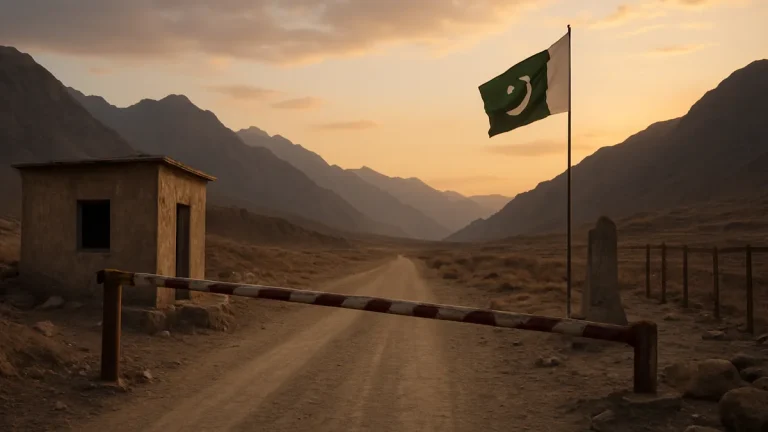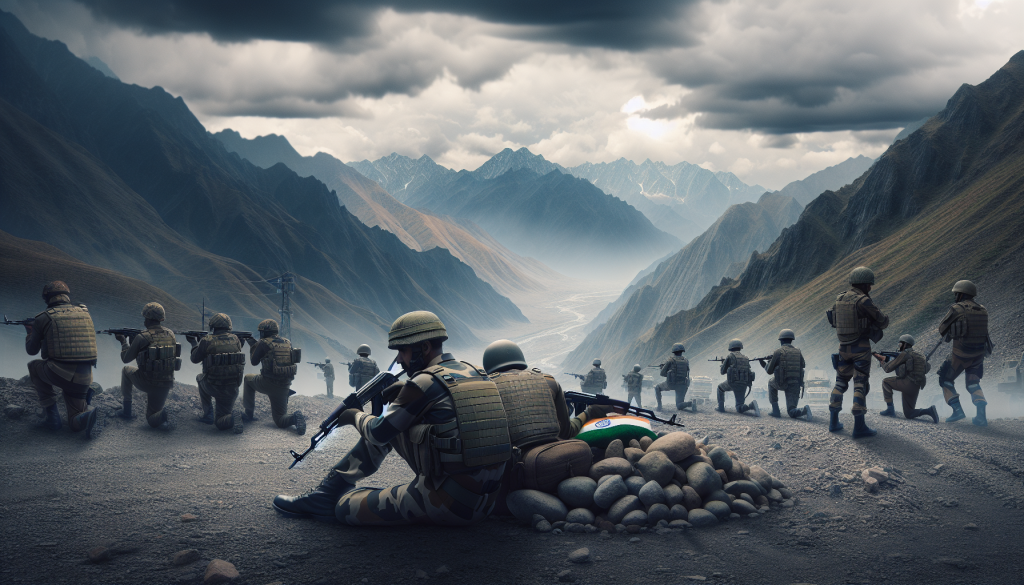
It has been one year since the military confrontation between India and Pakistan, a conflict that heightened tensions between the two nuclear-armed neighbors. Despite the potential for escalation, both countries have maintained the ceasefire along the Line of Control, preventing further armed clashes. This fragile peace has helped avoid a broader war, which could have had devastating regional consequences. However, the absence of active hostilities has not translated into improved relations.
Meanwhile, diplomatic engagement between India and Pakistan remains minimal, with trust between the two governments still deeply eroded. Efforts to resume dialogue have stalled amid ongoing political and security concerns, including issues related to Kashmir and cross-border terrorism allegations. The lack of communication channels has hindered conflict resolution and confidence-building measures. This diplomatic freeze underscores the complexity and sensitivity of their bilateral relationship.
In a significant development, the enduring ceasefire highlights the importance of restraint and the potential for peaceful coexistence despite deep-rooted animosities. Yet, the continued diplomatic impasse poses challenges for regional stability and economic cooperation. Analysts emphasize that rebuilding trust will require sustained dialogue and confidence-building initiatives. The situation remains a critical test for both countries’ commitment to peace and security in South Asia.