



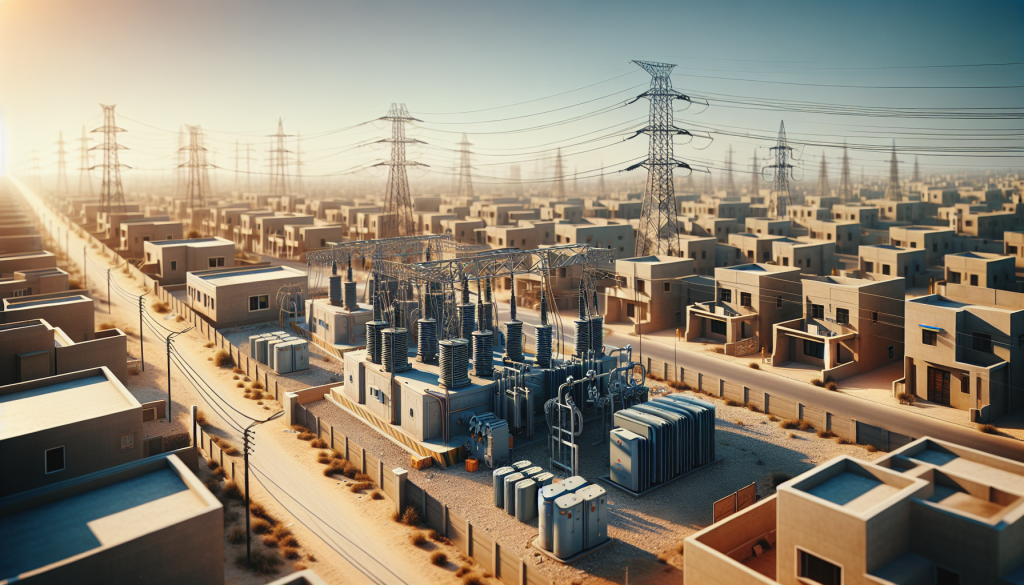
The government has announced plans to reduce electricity costs in Sindh, targeting both household consumers and industrial sectors. This move is expected to alleviate the financial burden on families while simultaneously supporting industrial growth in the region. Electricity affordability remains a critical issue in Sindh, where energy expenses significantly impact daily living and business operations.
In a significant development, lowering electricity tariffs could stimulate economic activity by making production more cost-effective for industries. This initiative aligns with broader efforts to improve energy access and reliability across Pakistan, addressing long-standing challenges in the power sector. By reducing operational costs, industries may increase output, potentially leading to job creation and enhanced economic stability.
Meanwhile, households stand to benefit from decreased utility bills, which could improve living standards and disposable income. The policy reflects a strategic approach to balance energy supply and demand while promoting sustainable development. As Sindh moves forward with these changes, monitoring the impact on energy consumption patterns and economic indicators will be crucial for future policy adjustments.

Leave an opinion