



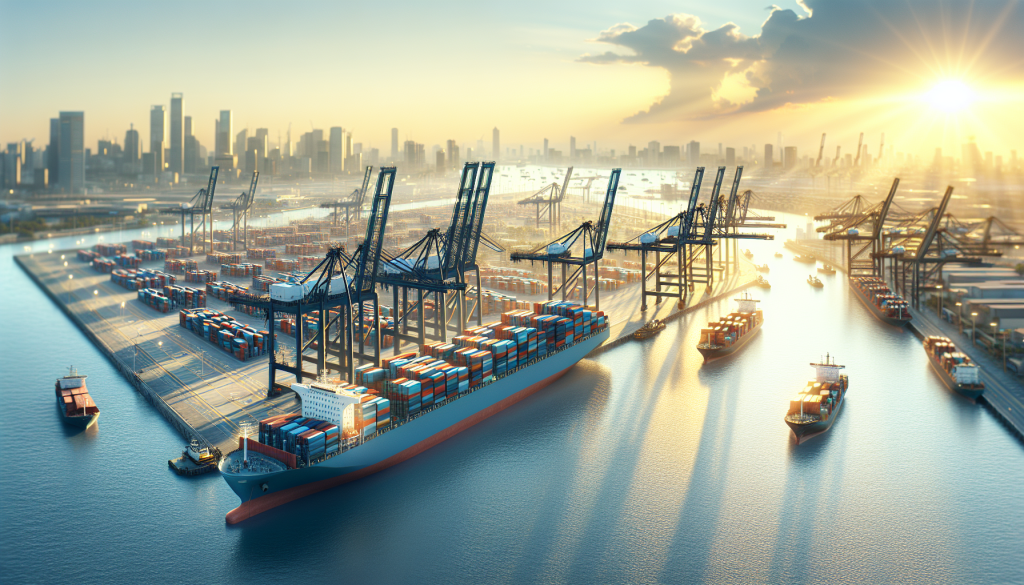
In a significant development for Pakistan’s maritime trade, the Karachi port recently welcomed its first multi-cargo transshipment vessel. This arrival marks a key step in expanding the country’s capacity to handle diverse cargo types, boosting the efficiency of its shipping and logistics sectors. The vessel’s presence is expected to facilitate smoother transshipment operations, allowing goods to be transferred between ships without the need for direct port unloading. This advancement aligns with Pakistan’s broader strategy to enhance its port infrastructure and position Karachi as a regional shipping hub.
Historically, Karachi has been Pakistan’s primary maritime gateway, handling the majority of the country’s import and export activities. The introduction of multi-cargo transshipment capabilities is poised to attract more international shipping lines, reduce turnaround times, and lower logistical costs. This move also reflects ongoing investments in port modernization and the adoption of advanced maritime technologies. By accommodating a wider variety of cargo on a single vessel, Karachi port can now support more complex trade routes and increase its competitiveness in the global shipping industry.
Meanwhile, this development is expected to have a positive ripple effect on Pakistan’s economy by facilitating trade growth and creating new job opportunities in the logistics and transportation sectors. Enhanced transshipment services can also improve supply chain resilience, benefiting industries reliant on timely imports and exports. As Pakistan continues to integrate into global trade networks, the operationalization of multi-cargo vessels at Karachi port represents a crucial milestone in strengthening the country’s maritime infrastructure and economic prospects.

Leave an opinion