



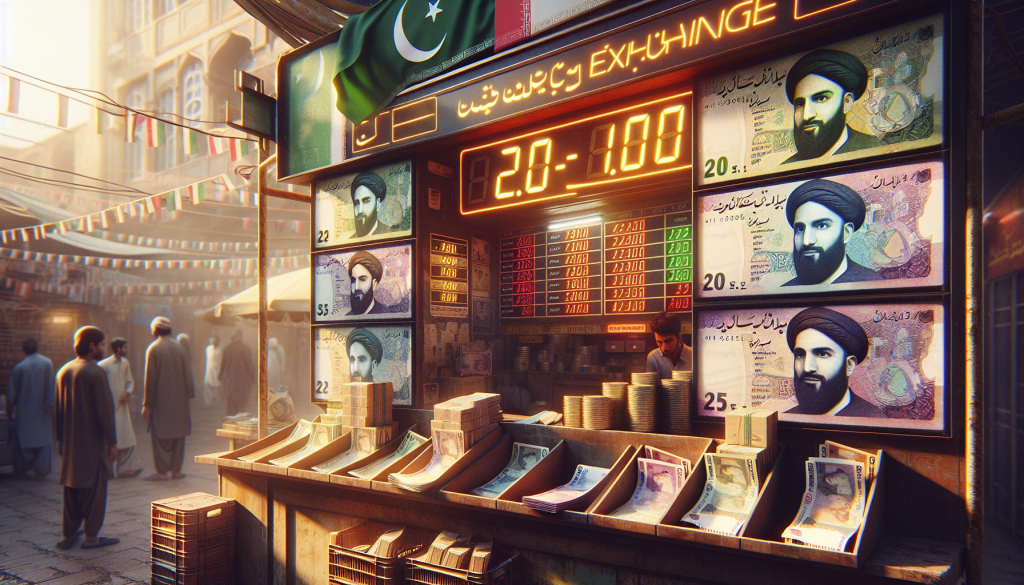
On April 27, 2026, the Iranian Rial’s exchange rate in Pakistan was closely monitored by traders and businesses engaged in cross-border commerce. Currency fluctuations between the Iranian Rial and Pakistani Rupee play a crucial role in shaping bilateral trade dynamics, especially given the economic ties between the two neighboring countries. The exchange rate impacts import-export costs, influencing prices of goods ranging from fuel to consumer products.
In a significant development, the Rial’s valuation against the Rupee can affect Pakistan’s trade balance with Iran, which includes essential commodities and energy supplies. Market participants often watch these rates to adjust their strategies in foreign exchange and commodity markets. Meanwhile, geopolitical factors and regional economic policies continue to influence currency stability and investor confidence.
Notably, the exchange rate trends on this date provide insights into broader economic conditions, including inflationary pressures and monetary policy responses in both countries. Businesses and policymakers rely on such data to make informed decisions that support economic growth and bilateral cooperation. The Iranian Rial’s performance against the Pakistani Rupee remains a key indicator of regional economic health and integration prospects.

Leave an opinion