



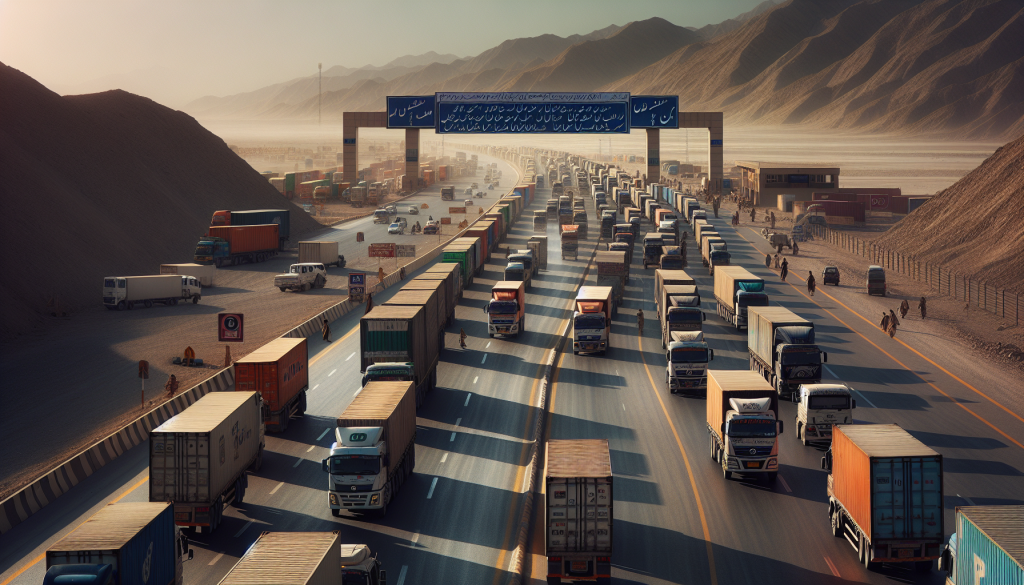
Pakistan has taken significant steps to broaden its regional transit framework by officially notifying six land routes for transporting goods into Iran. This move comes amid changing geopolitical dynamics and maritime challenges that are altering trade patterns across the region.
The Ministry of Commerce issued a statutory regulatory order authorizing cargo destined for Iran to travel through specified corridors connecting Karachi and Gwadar ports with the Pakistan-Iran border at Taftan. These routes traverse important logistics centers such as Khuzdar, Quetta, Dalbandin, Turbat, and Nokundi, establishing a well-organized overland network for controlled transit trade.
Under this new arrangement, goods from third countries can pass through Pakistan en route to Iran, but only under stringent customs oversight and backed by an encashable bank guarantee to cover potential duties. Authorities emphasize that this framework is designed to facilitate regulated trade rather than allow unrestricted transit movement.
Meanwhile, regional shipping lanes continue to face pressure, with thousands of containers bound for Iran reportedly stuck at Pakistani ports due to broader disruptions impacting maritime logistics linked to the Strait of Hormuz. These challenges have heightened interest in overland trade alternatives to maintain regional commerce.
In a significant development, this initiative marks a strategic shift in Pakistan’s trade infrastructure. By enhancing connectivity between Karachi and Gwadar ports and Iranian transit corridors, Pakistan is positioning itself as a critical land bridge to Central Asian markets. This shift also suggests a gradual reorientation of regional trade flows, with Iran emerging as a vital route for Pakistan’s access to Central Asia, potentially decreasing reliance on the traditional Afghan transit corridor.
Notably, the new transit routes through Iran represent a strategic diversification of Pakistan’s logistics network. This aligns with wider regional trends favoring alternative corridors due to ongoing instability and border disruptions in Afghanistan, signaling a reconfiguration of trade routes in the region.

Leave an opinion