



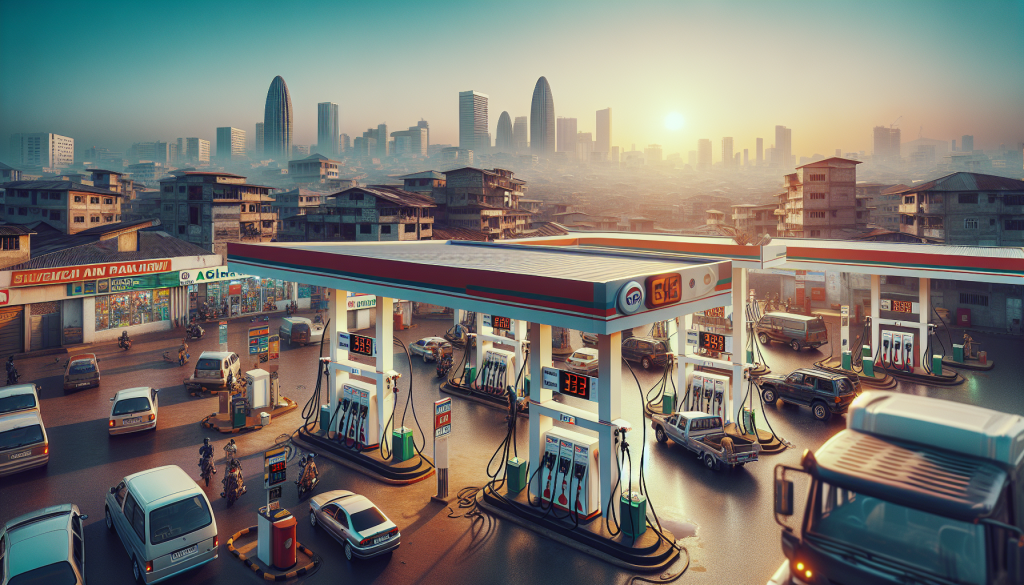
Ghana is set to eliminate some fuel taxes and charges imposed along the supply chain by distributors and retailers to help consumers cope with escalating pump prices triggered by the ongoing conflict involving Iran, government spokesperson Felix Kwakye Ofosu announced on Thursday.
The new measures are expected to be implemented within a week, although the exact levies to be removed will be finalized after consultations with stakeholders in the coming days. Ghana relies on imports for about 70% of its refined fuel, making it vulnerable to global price fluctuations.
Many African countries, including Ghana, have experienced sharp increases in fuel prices following the surge in global oil prices caused by the U.S.-Israeli war on Iran. The National Petroleum Authority recently raised mandatory minimum price floors for the April 1–15 pricing period, resulting in petrol prices climbing approximately 15% to 13.30 cedis ($1.21) per litre (0.26 U.S. gallon) and diesel prices rising nearly 19% to 17.10 cedis ($1.55).
Consultations between the government and relevant stakeholders are scheduled before the next pricing window, which is about a week away. Kwakye emphasized that the government is aware of the exact financial impact of the tax suspension, describing it as significant. The suspension is planned to last initially for four weeks, after which the government will reassess the situation.
He also clarified that the recent price hikes during the last pricing window were directly linked to the Iran conflict. In a related development, the transport minister has been directed to expedite the deployment of newly acquired Metro Mass buses on busy routes. These buses will offer fares lower than those charged by private operators, aiming to reduce the financial strain on commuters.

Leave an opinion