



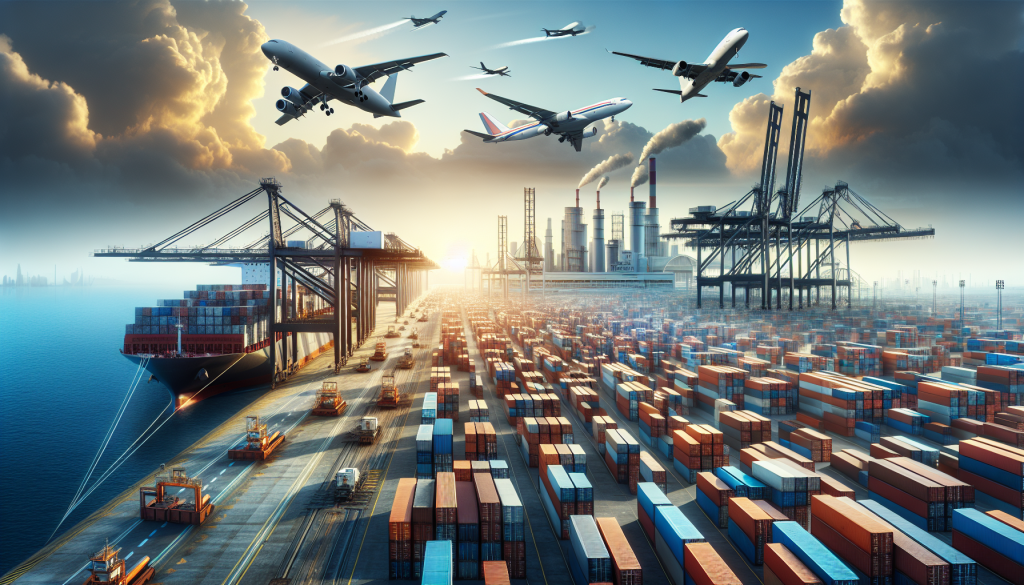
The ongoing conflict in Iran has caused significant disruptions in the global supply chains, particularly affecting the availability of critical raw materials. These materials are vital components for various industries, including manufacturing, aviation, and technology, which rely heavily on steady and reliable inputs. The interruption threatens to delay production timelines and increase costs across multiple sectors, highlighting the fragility of interconnected global trade networks.
In a significant development, the war has underscored the vulnerability of supply chains that depend on politically unstable regions. Many raw materials sourced from Iran are essential for high-tech manufacturing processes and aviation components, making the conflict’s impact far-reaching. Companies worldwide are now exploring alternative suppliers and routes to mitigate risks, but such adjustments require time and investment, potentially slowing down recovery efforts.
Meanwhile, the broader implications extend beyond immediate supply shortages. The disruption raises concerns about long-term resilience and the need for diversified supply chains to withstand geopolitical shocks. As industries grapple with these challenges, the Iran conflict serves as a critical case study in global economic interdependence and the importance of strategic planning to safeguard essential material flows in an increasingly volatile world.

Leave an opinion