



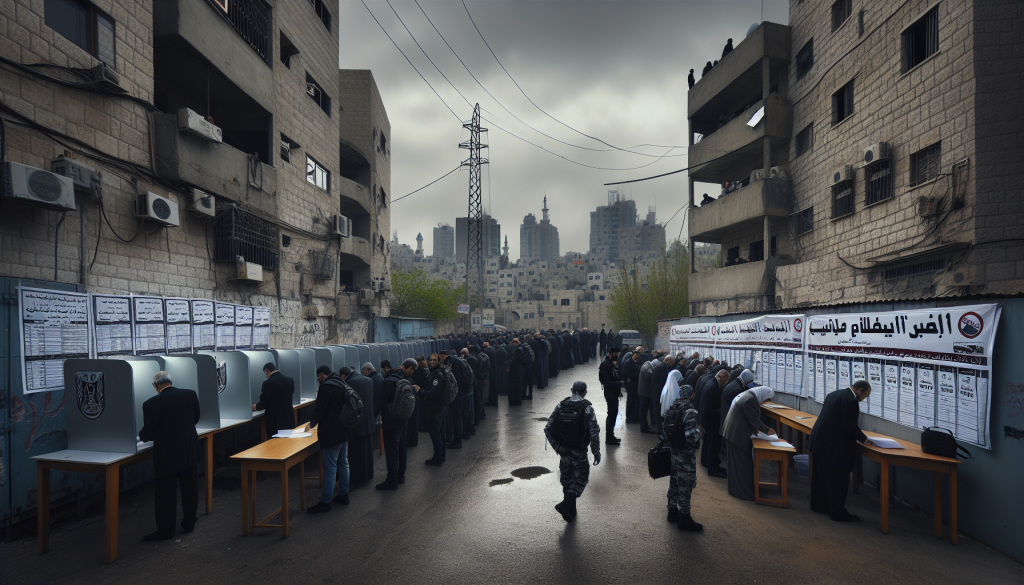
The recent council elections within the Palestinian Authority saw a sweeping victory for the Fatah party and its allied factions. This electoral success reinforces Fatah’s longstanding dominance in Palestinian politics, particularly in the West Bank. The elections were closely watched as a barometer of public sentiment amid ongoing tensions with Israel. Voter turnout and political engagement remain critical factors in assessing the legitimacy and future direction of Palestinian governance.
In a significant development, the election results highlight the challenges faced by Palestinian leadership in addressing the realities of Israeli occupation. Despite Fatah’s strong showing, many analysts question whether electoral gains can translate into meaningful changes on the ground. The political landscape remains complicated by restrictions on movement, settlement expansions, and security concerns imposed by Israeli authorities. These factors continue to limit the Palestinian Authority’s ability to exercise full sovereignty and implement reforms.
Meanwhile, the broader implications of the vote extend beyond immediate political control. The election outcome may influence future negotiations and international diplomatic efforts aimed at resolving the Israeli-Palestinian conflict. It also affects internal Palestinian dynamics, including relations between Fatah and rival groups such as Hamas. Ultimately, the election underscores the persistent struggle for Palestinian self-determination under complex and constrained circumstances.

Leave an opinion