



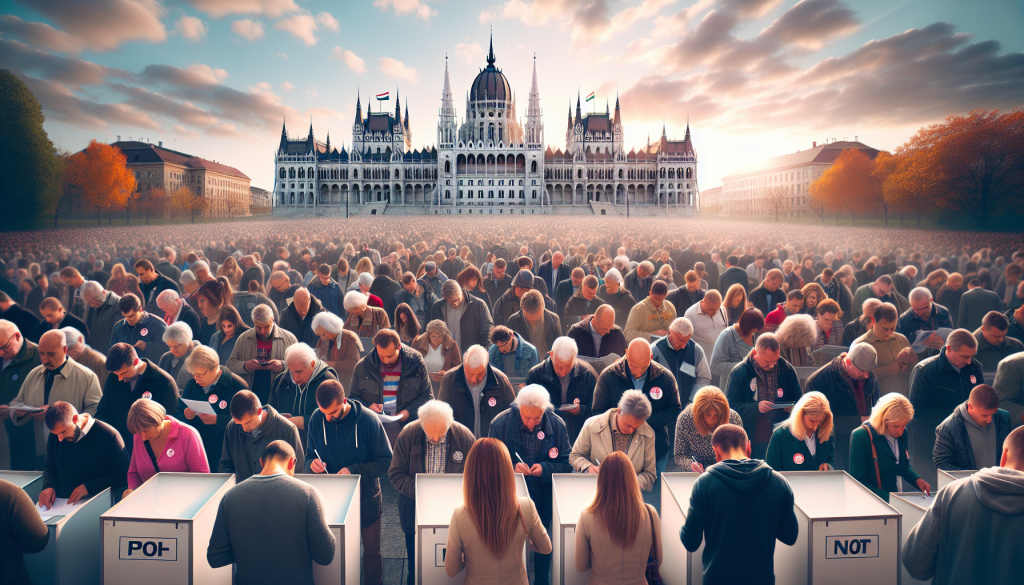
Hungary is at a critical political crossroads as voters prepare to decide whether to continue the 16-year tenure of Prime Minister Viktor Orbán or to usher in new leadership. Orbán, known for his nationalist and conservative policies, has dominated Hungarian politics since 2010, shaping the country’s domestic and foreign policies significantly. His administration has been marked by controversial reforms and a firm stance against immigration, which has polarized public opinion both domestically and internationally.
Meanwhile, Péter Magyar, representing a grassroots political movement, has emerged as a prominent challenger in the upcoming election. Polls indicate that Magyar’s platform, which appeals to voters seeking change and reform, has gained considerable traction. This election is seen as a referendum on Orbán’s leadership style and his government’s approach to democracy and rule of law, issues that have drawn criticism from European institutions.
In a significant development, Orbán has maintained a defiant posture, signaling his determination to retain power despite the growing opposition. The outcome of this election will not only shape Hungary’s political landscape but also impact its relations within the European Union. Observers view this vote as a crucial test of democratic resilience in a country that has experienced increasing centralization of power under Orbán’s rule.

Leave an opinion