



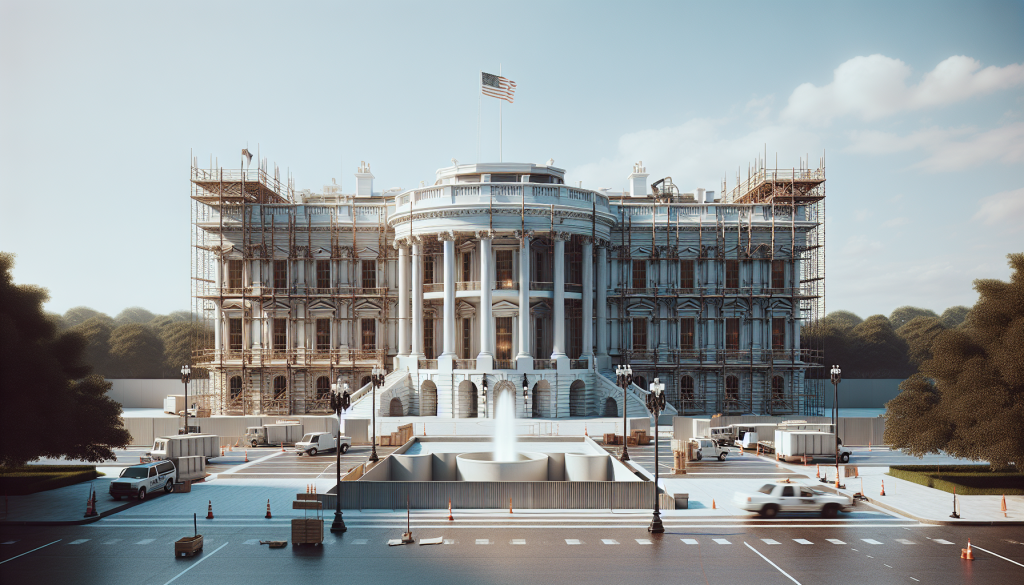
The US appeals court has extended the deadline to temporarily stop the construction of a new ballroom at the White House. This decision allows more time for legal review and deliberation on the contentious project, which has sparked debate over its necessity and implications. The extension signals judicial caution in balancing executive ambitions with legal and procedural standards.
Notably, the judges expressed skepticism regarding former President Trump’s assertion that finishing the ballroom is critical for national security. This challenge to the administration’s justification highlights the court’s role in scrutinizing claims that could bypass standard oversight. The questioning reflects broader concerns about the use of national security as a rationale for expedited or controversial government projects.
In a significant development, the court’s move to delay construction underscores the ongoing legal and political tensions surrounding the White House renovation plans. The outcome of this case could set precedents for how future executive projects are managed and contested in the judicial system. Meanwhile, the extended deadline provides stakeholders additional time to present arguments and seek resolution on this high-profile issue.

Leave an opinion