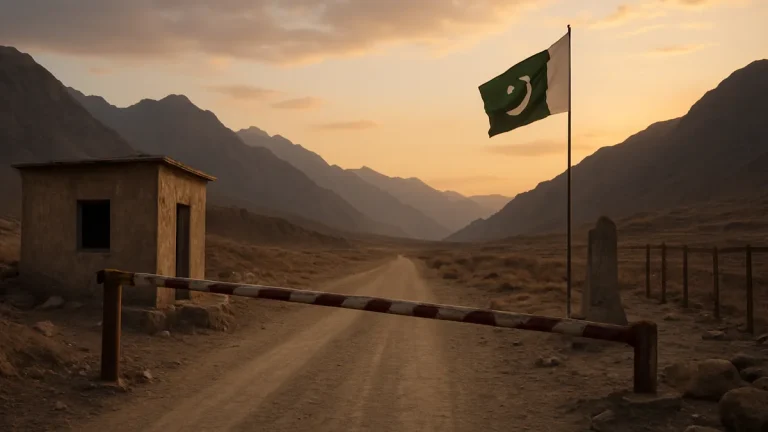
In a significant development, tensions between Pakistan and Afghanistan have escalated once again, with both nations accusing each other of hostile activities along their shared border. This comes despite a ceasefire agreement brokered in March aimed at halting cross-border violence. The fragile peace has been undermined by ongoing skirmishes and mutual targeting, raising concerns about the stability of the region.
The border between Pakistan and Afghanistan has long been a flashpoint due to historical disputes, militant movements, and ethnic complexities. The March mediation had offered hope for a reduction in violence, but the recent uptick in confrontations threatens to unravel these efforts. Analysts warn that renewed clashes could disrupt regional security and complicate diplomatic relations between the two neighbors.
Meanwhile, the local populations living near the border remain vulnerable to the consequences of these tensions, including displacement and economic hardship. The international community continues to monitor the situation closely, emphasizing the need for sustained dialogue and conflict resolution mechanisms. The evolving dynamics along the Pakistan-Afghanistan border underscore the importance of durable peace initiatives in this geopolitically sensitive area.