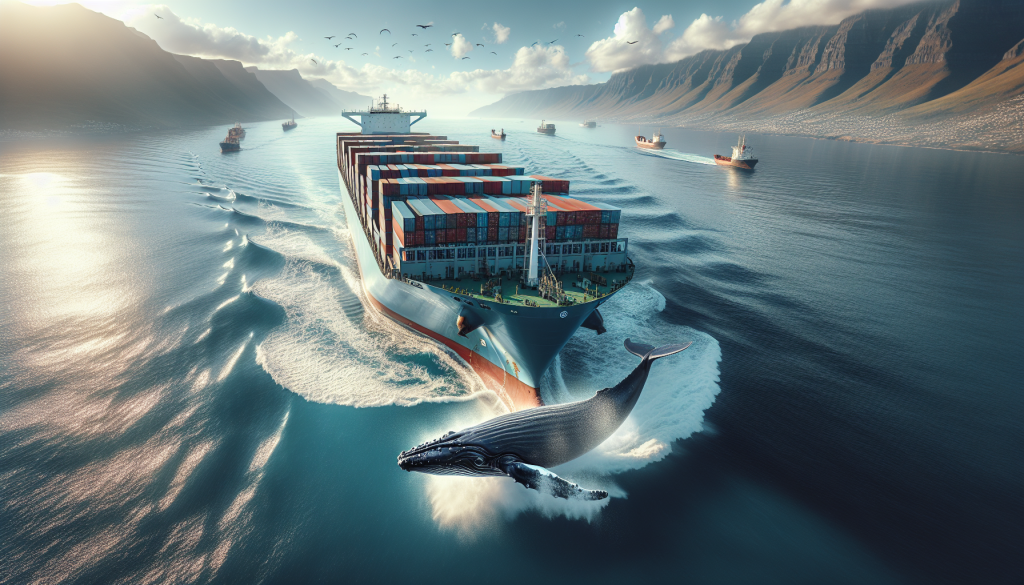
Marine biologists have raised concerns over the growing risk to whale populations near South Africa due to increased ship traffic. As commercial and cargo vessels intensify their routes through these waters, the likelihood of collisions with whales has surged. These ship strikes can cause severe injuries or fatalities among whale species, disrupting local ecosystems and conservation progress. The issue highlights the broader impact of human activities on marine wildlife, particularly in regions with busy shipping lanes.
Meanwhile, the geopolitical tensions in the Iran region have indirectly contributed to this maritime challenge. Shifts in shipping routes and increased naval presence in strategic waters have led vessels to seek alternative paths, including those near South Africa. This rerouting has inadvertently escalated traffic density in these areas, compounding the threat to whales. Conservationists emphasize the need for international cooperation to mitigate these risks and protect vulnerable marine species.
In a significant development, environmental groups are urging authorities to implement stricter maritime regulations and monitoring systems to prevent ship strikes. Measures such as speed restrictions, designated marine protected areas, and real-time tracking of whale movements could reduce collisions. Protecting whales is crucial not only for biodiversity but also for maintaining the health of ocean ecosystems that support global fisheries and climate regulation. The situation underscores the complex interplay between international conflicts and environmental conservation challenges.