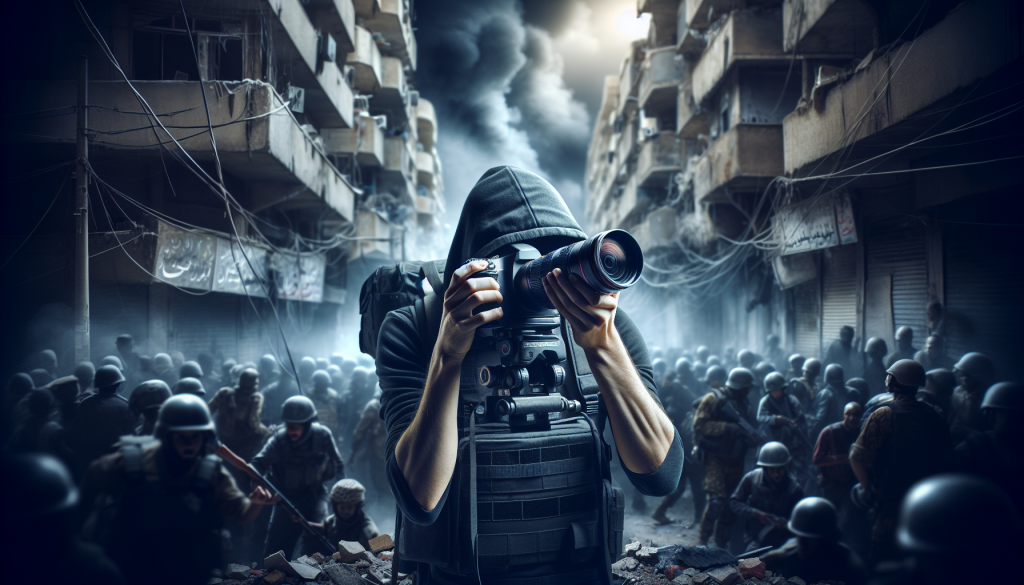
The killing of Shireen Abu Akleh, a US citizen and veteran Al Jazeera journalist, has become a symbol of the dangers faced by media professionals in conflict zones. Rights advocates emphasize that the absence of accountability for her death has created a climate where Israeli forces feel empowered to continue aggressive actions against the press. This lack of justice undermines international norms protecting journalists and threatens press freedom in volatile regions.
In a significant development, human rights organizations argue that the failure to investigate and prosecute those responsible for Abu Akleh’s killing sends a dangerous message. It effectively signals tolerance for violence against reporters, which can lead to further violations and intimidation tactics. Journalists covering the Israeli-Palestinian conflict remain at heightened risk, impacting the flow of unbiased information from the ground.
Meanwhile, the broader implications of this impunity extend beyond individual cases, affecting global perceptions of press freedom and human rights enforcement. The international community’s response to such incidents is critical in shaping future protections for journalists worldwide. Without concrete measures to address these abuses, the cycle of violence and suppression against media workers is likely to persist, hindering transparency and accountability in conflict reporting.