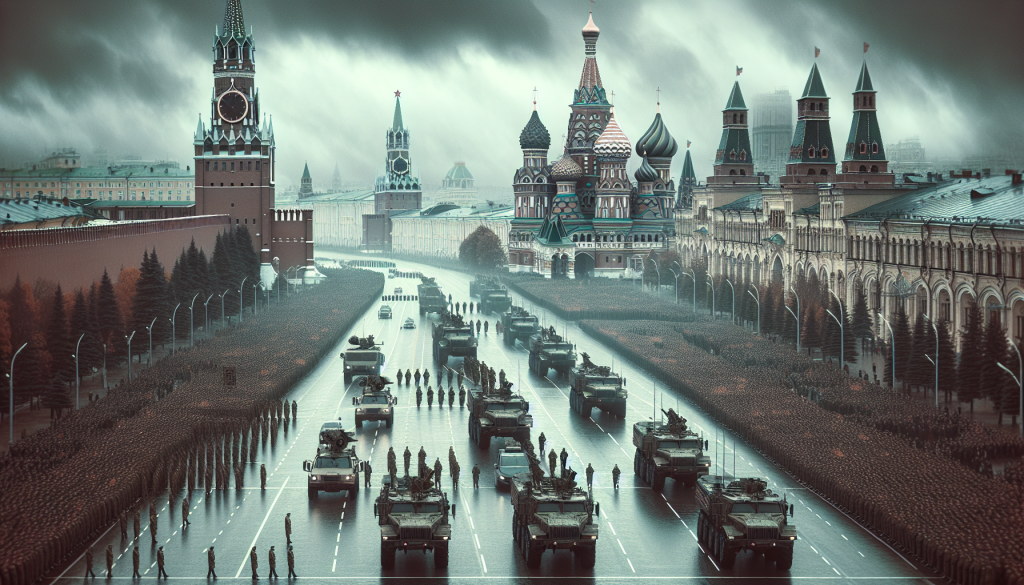
In a significant development, Russia has opted for a downsized Victory Day parade this year, reflecting heightened security concerns. Traditionally a grand event commemorating the Soviet Union’s victory in World War II, the parade is a key symbol of national pride and military strength. This year’s scaled-back format marks a departure from the usual large-scale celebrations held annually on May 9. The decision underscores the current geopolitical tensions and internal security challenges facing the country.
President Vladimir Putin is scheduled to deliver a speech during the commemoration, emphasizing the importance of remembering the sacrifices made during the war. His address is expected to reinforce themes of patriotism and resilience, which are central to the Victory Day narrative. The event remains a critical platform for Russia to project its historical legacy and military prowess both domestically and internationally. Meanwhile, the reduced parade size highlights a cautious approach amid ongoing security threats.
Victory Day holds immense significance in Russia, symbolizing the triumph over Nazi Germany and honoring millions of lives lost. The parade typically features military hardware, veterans, and thousands of participants, drawing widespread public attention. This year’s modifications may impact the traditional scale of public engagement and international perception. Nonetheless, the commemoration continues to serve as a powerful reminder of Russia’s historical identity and its role in global history.