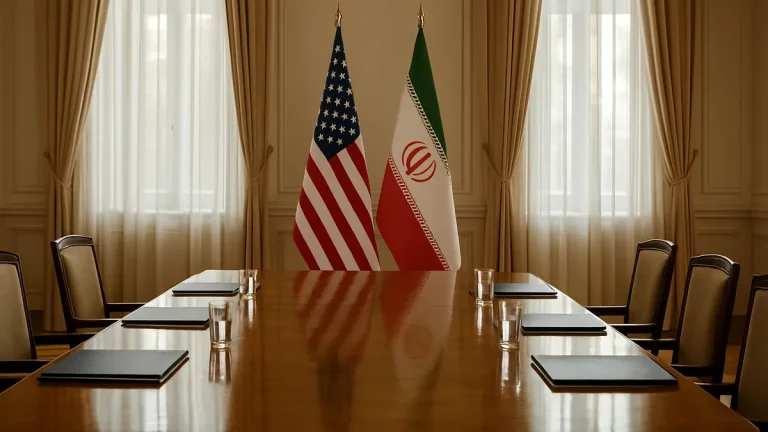
Since April 8, a ceasefire has been maintained between the United States and Iran, aiming to reduce hostilities in a region critical to global maritime trade. Despite this temporary halt in direct conflict, both nations have yet to finalize a comprehensive peace agreement, leaving the situation fragile and uncertain. The Strait of Hormuz, a vital chokepoint for oil shipments, remains a hotspot for military and diplomatic tensions. This area’s security is crucial not only for regional stability but also for the global energy market, underscoring the broader implications of any confrontation.
In a significant development, recent clashes in the Hormuz Strait have reignited fears of escalating conflict between the two powers. These incidents demonstrate the persistent mistrust and unresolved disputes that continue to challenge diplomatic efforts. The confrontation in such a strategically sensitive location raises concerns about the potential disruption of international shipping lanes, which could have far-reaching economic consequences. Meanwhile, both Washington and Tehran appear entrenched in their positions, complicating prospects for a peaceful resolution.
The ongoing stalemate highlights the complexity of US-Iran relations, shaped by decades of geopolitical rivalry and competing interests in the Middle East. The failure to reach a definitive peace deal despite the ceasefire reflects deep-seated issues that extend beyond immediate military concerns. Analysts warn that without renewed dialogue and compromise, the risk of further escalation remains high, threatening regional security and global economic stability. Thus, the situation in Hormuz serves as a critical barometer for the future trajectory of US-Iran interactions and broader Middle Eastern peace efforts.