France has dispatched its Charles de Gaulle aircraft carrier strike group to the Red Sea as part of preparations for a potential multinational operation aimed at ensuring security in the Strait of Hormuz. This move comes amid rising tensions between Iran and the United States, which have raised concerns over the stability of this critical maritime passage.
French authorities emphasize that ongoing instability around the Strait threatens global trade and energy supplies. Recent confrontations in the area have intensified fears about the fragile ceasefire between Tehran and Washington, with both nations accused of imposing competing maritime blockades in the strategic waterway.
In a significant development, Paris and London have collaborated for several weeks on a plan intended to guarantee safe navigation through the Strait once conditions permit. This initiative reportedly involves coordination with Iran, and multiple countries have already shown interest in participating during early discussions.
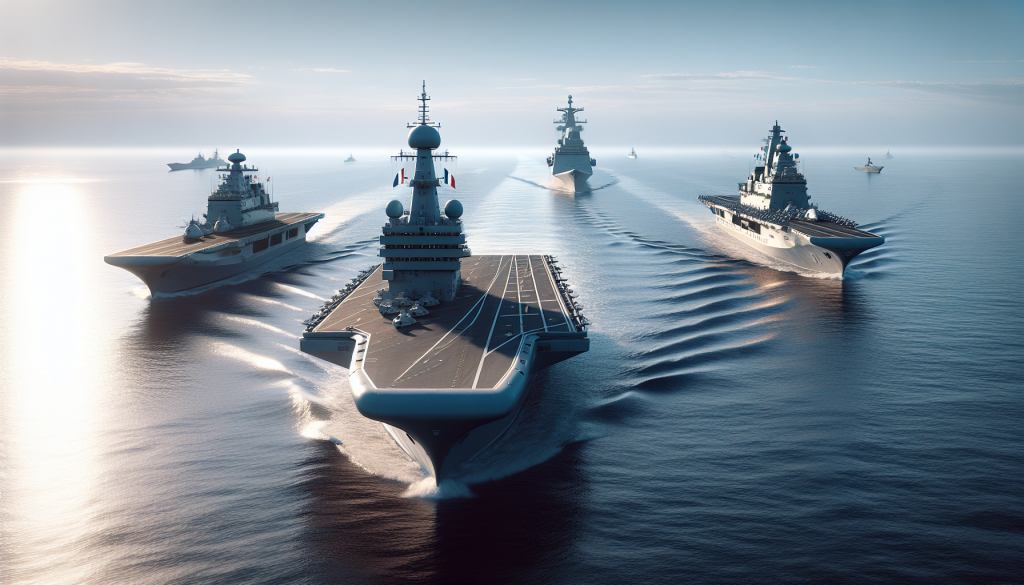
The French military stated that the carrier group, supported by Italian and Dutch warships, is being deployed to evaluate operational conditions, enhance maritime security measures, and provide reassurance to global shipping stakeholders. The mission is expected to function within an international legal framework and may incorporate partner nations into a wider defensive coalition.
France has proposed that Iran permit unrestricted passage through the Strait in return for renewed diplomatic negotiations with the United States concerning nuclear issues, missile development, and regional security. In exchange, Washington would relax its blockade policies and back diplomatic engagement.
However, analysts highlight that Iran’s control over the Strait of Hormuz remains a significant leverage point in its negotiations with Western powers, making the success of this proposal uncertain.
European countries, largely sidelined in the broader conflict involving the US, Israel, and Iran, are increasingly worried about the economic consequences of disrupted shipping lanes and fluctuating oil prices. This deployment is also viewed as an effort by European allies to assert a stronger role in regional security, especially after criticism from US President Donald Trump regarding their hesitance to fully support Washington’s blockade strategy.