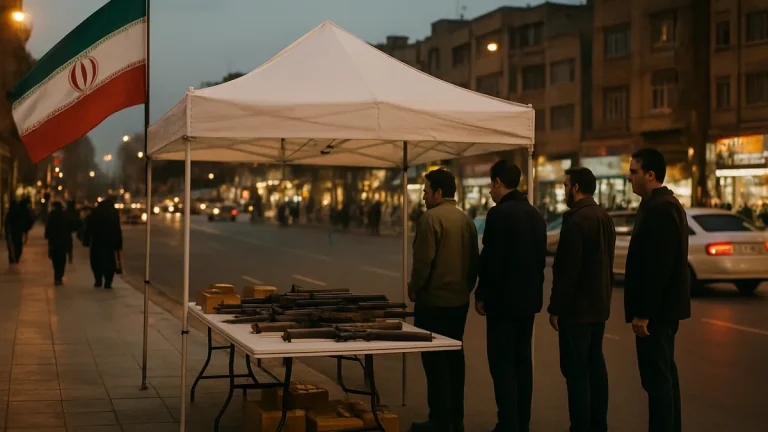
The ongoing conflict involving Iran has intensified strains between the United States and Germany, marking a significant challenge in their longstanding alliance. A senior German official recently described the situation as a ‘stress test’ for US-Europe relations, emphasizing the growing diplomatic friction. This tension reflects broader disagreements on how to approach the Iran crisis, with differing strategies complicating coordinated responses.
Meanwhile, opposition voices within Germany have criticized Berlin’s position, arguing that the government is far from neutral in the conflict. This internal dissent underscores the political complexities faced by Germany as it navigates its role between maintaining strong ties with the US and addressing European interests. The debate highlights the delicate balance Germany must strike amid escalating regional instability.
In a significant development, these disputes could have lasting impacts on transatlantic cooperation, potentially reshaping diplomatic and security policies. The widening rift may influence future negotiations on Iran and other geopolitical issues, affecting both European unity and US foreign policy. Observers note that how this relationship evolves will be crucial for managing broader international challenges in the Middle East and beyond.