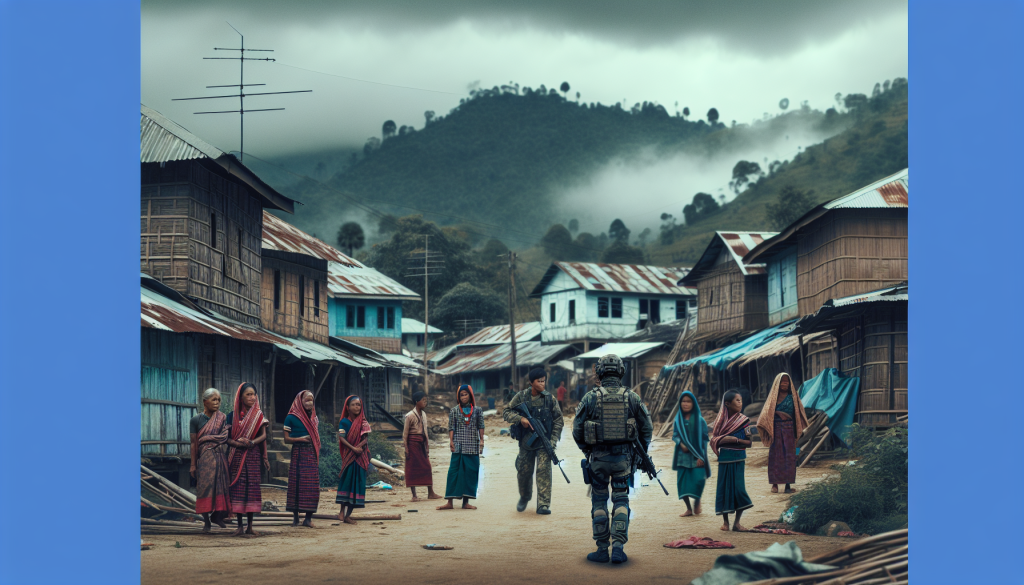
Manipur, a remote northeastern state of India, continues to grapple with severe ethnic violence that has now persisted for over three years. This conflict, rooted in deep-seated ethnic tensions, has not only endured but also transformed in its nature and intensity, affecting the region’s stability and security. Despite the ongoing bloodshed, the identities of the attackers remain officially undisclosed, complicating efforts to bring peace and justice to the affected communities.
The prolonged unrest in Manipur highlights the challenges faced by the Indian government in addressing ethnic strife in its northeastern territories. The violence has disrupted daily life, displaced thousands, and strained communal relations, underscoring the fragile social fabric of the region. Meanwhile, the lack of clear accountability for the assailants has fueled mistrust among local populations and hindered reconciliation processes.
In a significant development, the persistence of this conflict draws attention to the broader implications for regional security and governance in India’s border areas. The situation demands a comprehensive approach that includes dialogue, development, and law enforcement to restore peace. Notably, the international community and human rights organizations have expressed concern over the humanitarian impact, urging for transparent investigations and protection of vulnerable groups in Manipur.