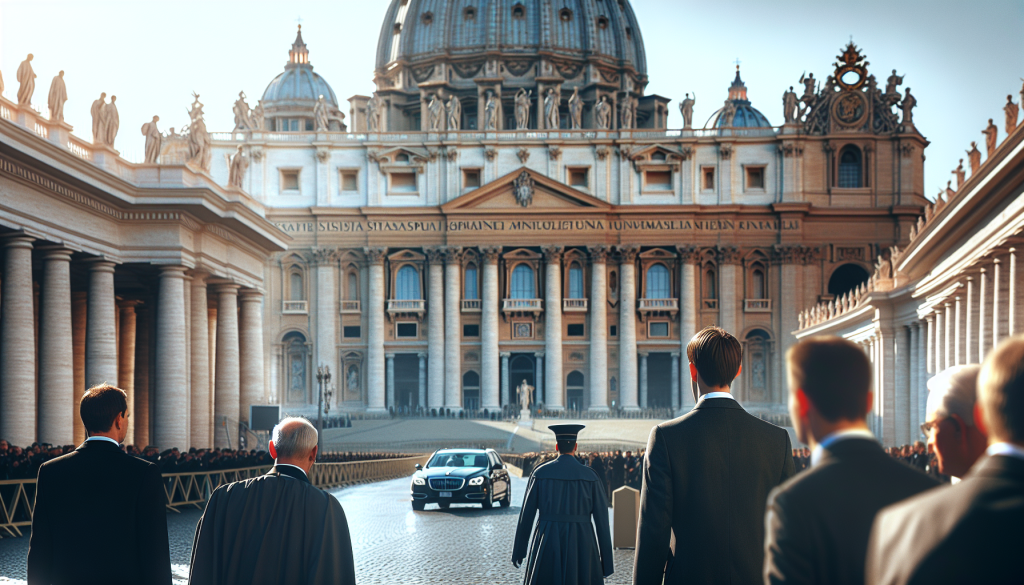
In a significant development, former US President Donald Trump has once again publicly criticized Pope Leo, accusing him of endorsing Iran’s pursuit of nuclear weapons. This renewed feud comes at a sensitive time as Senator Marco Rubio is scheduled to visit the Vatican, highlighting tensions between political and religious figures on international security issues. Trump’s remarks have sparked debate over the role of religious leaders in geopolitical conflicts, particularly concerning Iran’s controversial nuclear program.
Historically, the Vatican has maintained a diplomatic stance advocating for peace and dialogue, often urging restraint in nuclear proliferation matters. However, Trump’s allegations suggest a more contentious relationship, reflecting broader US concerns about Iran’s nuclear ambitions and the international community’s divided responses. The timing of these accusations underscores the complex interplay between US politics and Vatican diplomacy, especially as Rubio’s visit aims to engage with the Holy See on global matters.
The impact of Trump’s statements could influence public perception and diplomatic relations, potentially complicating efforts to address Iran’s nuclear activities through peaceful negotiations. Meanwhile, the Vatican’s position remains crucial in mediating international conflicts, and Rubio’s visit may serve as a platform to reaffirm commitments to non-proliferation. This episode illustrates the ongoing challenges in balancing political rhetoric with diplomatic engagement on critical security issues.