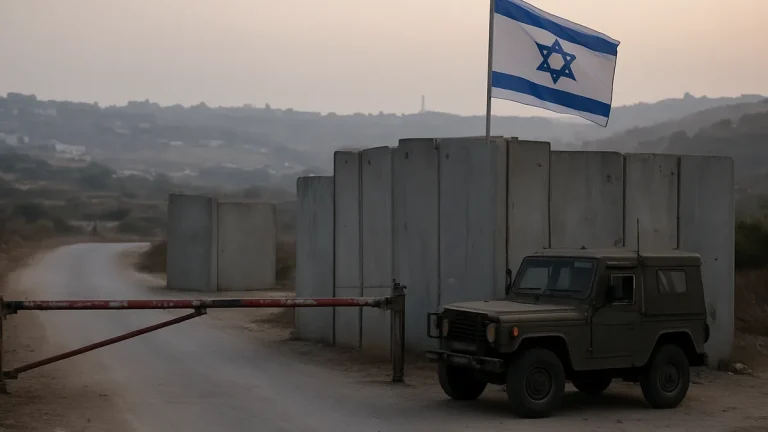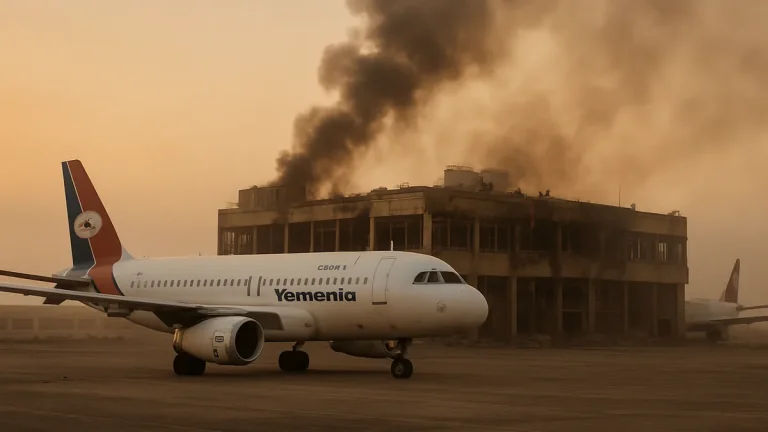
The emergence of a ‘Super El Nino’ phenomenon has intensified worries across Asia, a region already grappling with the repercussions of ongoing conflicts in the Middle East. This climatic event, characterized by unusually warm ocean temperatures in the Pacific, is known to disrupt weather patterns globally, often causing extreme conditions such as droughts and floods. Experts warn that the timing of this El Nino could exacerbate existing vulnerabilities in Asian countries, many of which are still recovering from geopolitical instability and economic strain linked to the Middle East turmoil.
Historically, El Nino events have had profound impacts on agriculture, water resources, and disaster management in Asia. The current ‘Super El Nino’ is expected to be stronger than usual, potentially leading to severe monsoon disruptions and heightened risks of natural disasters. This situation poses a significant challenge for governments and humanitarian agencies working to stabilize regions affected by conflict, as they must now also prepare for intensified climate-related emergencies. The combination of political unrest and environmental stress could hinder recovery efforts and deepen humanitarian crises.
In a significant development, regional authorities and international organizations are urged to enhance coordination and implement robust contingency plans to mitigate the dual threats posed by the Middle East conflict and the Super El Nino. The event underscores the interconnectedness of global climate phenomena and geopolitical issues, highlighting the need for comprehensive strategies that address both environmental and socio-political risks. As Asia braces for the potential fallout, the situation calls for urgent attention to safeguard vulnerable populations and ensure sustainable development amid these converging challenges.