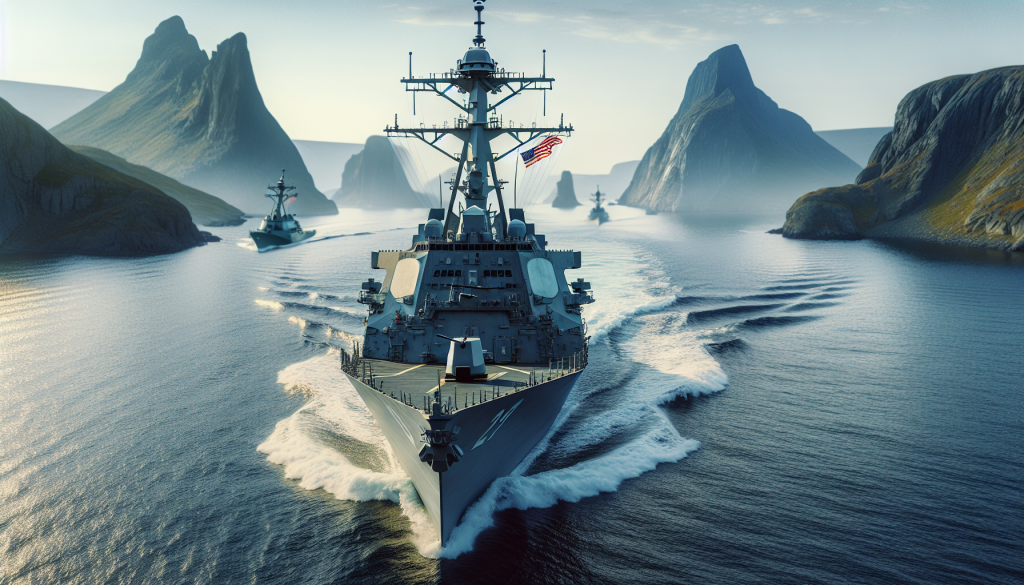
In a significant development, two United States Navy destroyers have navigated through the Strait of Hormuz and entered the Persian Gulf. This narrow waterway is a critical chokepoint for global oil shipments, with approximately one-fifth of the world’s petroleum passing through it daily. The US military’s continued naval operations in this area underscore its commitment to maintaining freedom of navigation and regional security amid heightened tensions.
The Strait of Hormuz, located between Oman and Iran, has long been a flashpoint due to geopolitical rivalries and strategic interests. The presence of US warships serves as a deterrent against potential threats to maritime traffic and signals Washington’s readiness to respond to any disruptions. Such maneuvers often coincide with diplomatic efforts and regional security dialogues involving Gulf Cooperation Council states and international partners.
Meanwhile, the transit of these destroyers reflects broader US strategic objectives in the Middle East, including safeguarding energy supplies and countering influence from rival powers. The deployment also reassures allies in the Gulf region of continued US military support. As global energy markets remain sensitive to instability in this corridor, naval movements like these carry significant implications for international trade and security dynamics.