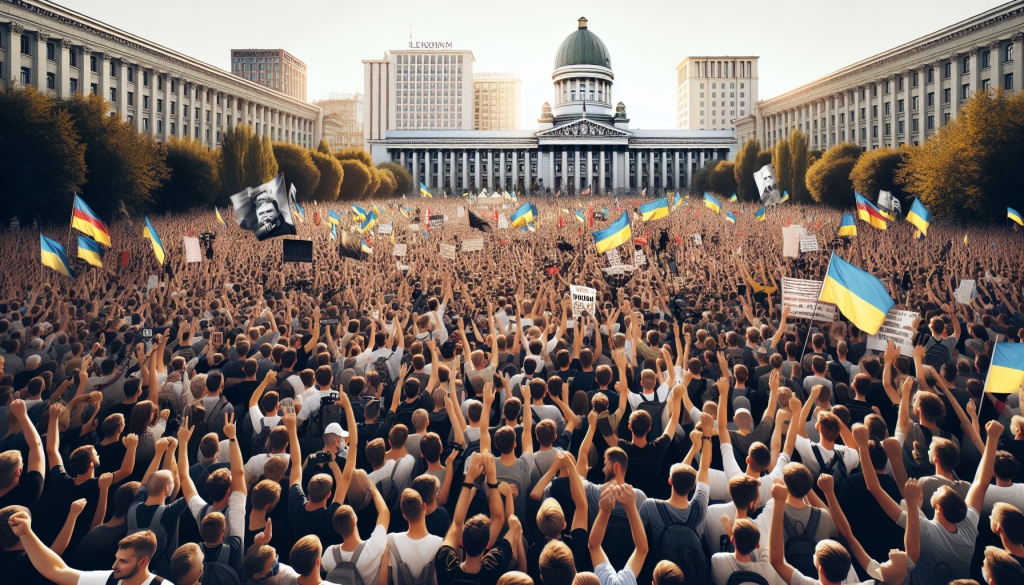
In a significant development, Nicolás Maduro’s capture has intensified the ongoing political struggle in Venezuela. Supporters of the former leader have mobilized to sustain the revolutionary movement, demonstrating resilience despite the setback. This situation underscores the deep divisions within the country, where Maduro’s leadership remains a symbol of resistance for many. The efforts to bring him back reflect broader challenges facing Venezuela’s political landscape.
Meanwhile, the capture has drawn international attention to Venezuela’s internal conflict, with various factions vying for influence and control. The revolutionary movement, which has shaped the nation’s recent history, continues to inspire grassroots activism and political engagement. This persistence highlights the enduring appeal of Maduro’s ideology among his base. It also signals potential instability as the country navigates this turbulent period.
Notably, the struggle to reinstate Maduro carries significant implications for Venezuela’s future governance and regional relations. The outcome of these efforts could affect diplomatic ties and economic conditions in the region. Furthermore, the situation exemplifies the complexities of leadership transitions in politically volatile environments. As the revolution persists, the world watches closely to see how Venezuela will move forward in the aftermath of this critical event.