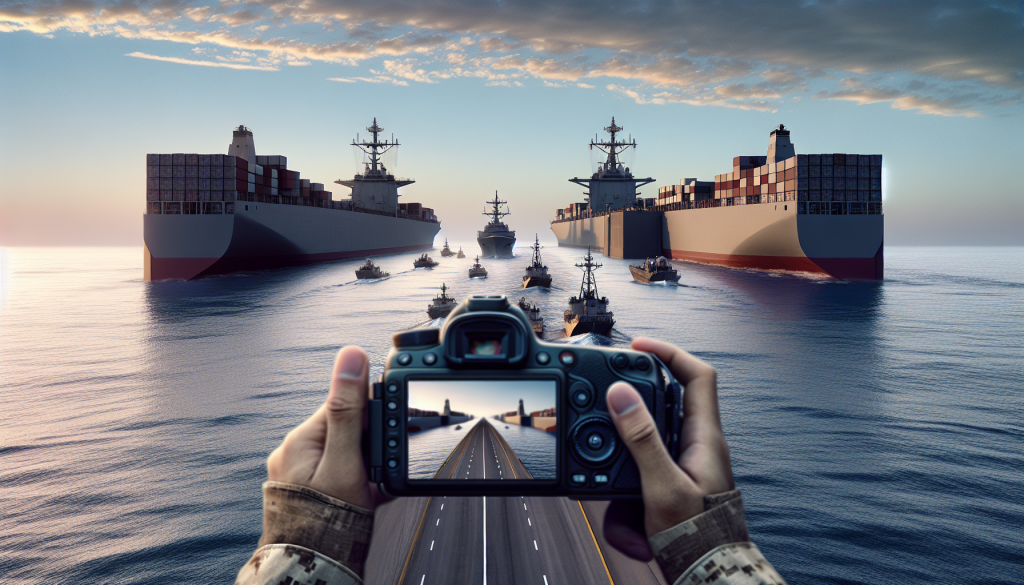
Naval blockades represent one of the earliest and most enduring tactics in maritime warfare, leveraging control over sea routes to isolate adversaries. By restricting the flow of essential goods and military supplies, blockades aim to weaken enemy forces and pressure them into surrender. The Strait of Hormuz, a critical chokepoint for global oil shipments, has been a focal point for such blockades in recent history, underscoring its strategic importance.
Throughout modern times, several major naval sieges have demonstrated the effectiveness of blockades in shaping conflict outcomes. These sieges not only disrupt economic stability but also influence geopolitical dynamics by controlling access to vital maritime corridors. The use of blockades in the Strait of Hormuz highlights the intersection of military strategy and international trade, given the strait’s role in global energy security.
In a significant development, the continued relevance of naval blockades in contemporary conflicts emphasizes the enduring nature of sea power in warfare. Control over key maritime passages remains a critical factor in national security and international relations. As global dependence on maritime trade persists, the strategic deployment of blockades will likely remain a potent instrument in both military and diplomatic arenas.