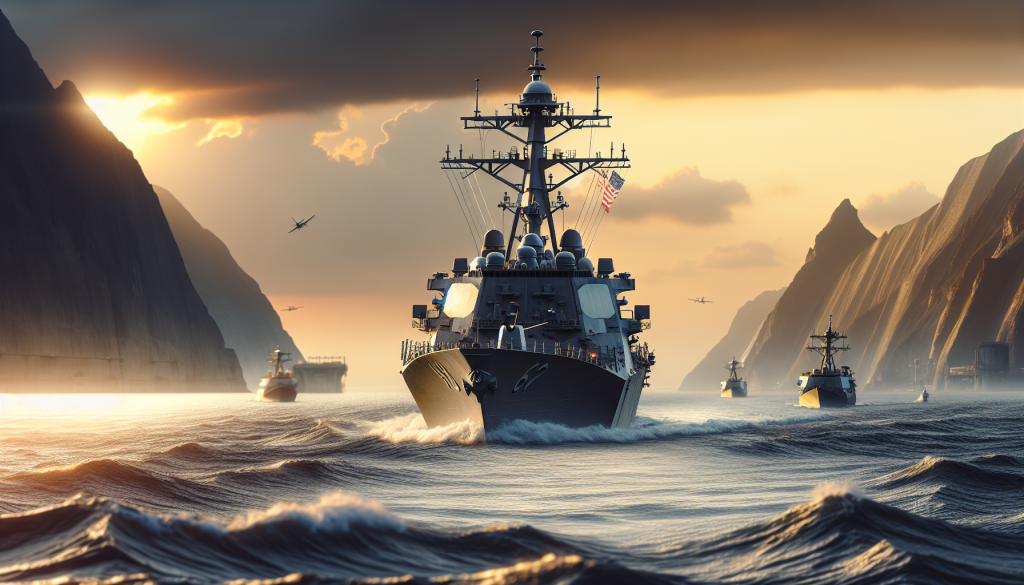
In a notable statement, former US President Donald Trump criticized the US Navy’s enforcement of the naval blockade in the Strait of Hormuz, describing their conduct as akin to that of pirates. This blockade, a strategic maritime chokepoint, has been central to US efforts to curb Iran’s influence and restrict its oil exports. Trump’s remarks underscore the contentious nature of the US military’s role in this volatile region, where tensions between Washington and Tehran have frequently escalated.
The Strait of Hormuz is one of the world’s most critical oil transit routes, with a significant percentage of global petroleum passing through its narrow waters. The US blockade aims to prevent Iran from exporting oil, thereby exerting economic pressure on the Iranian regime. However, such measures have also raised concerns about regional stability and the potential for conflict, as Iran has repeatedly threatened to close the strait in response to sanctions and military presence.
Trump’s characterization of the blockade as a ‘very profitable business’ highlights the complex interplay between military strategy and economic interests in the region. His comments may reflect broader debates about the costs and benefits of US involvement in Middle Eastern maritime security. Meanwhile, the ongoing blockade continues to impact global oil markets and international diplomatic relations, emphasizing the strategic importance of the Strait of Hormuz in global geopolitics.