

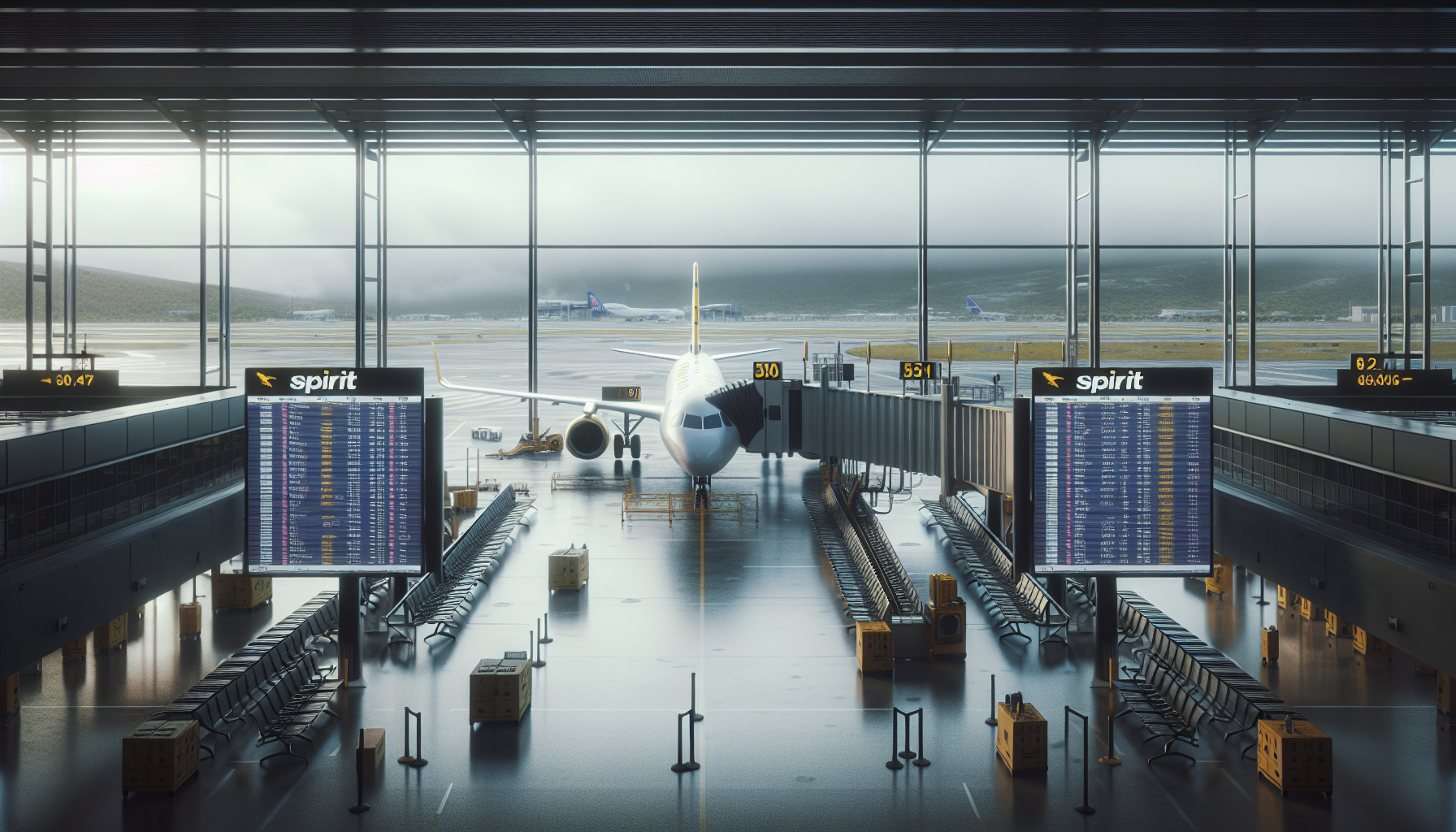
Spirit Airlines, one of the largest low-cost carriers in the United States, announced on Saturday that it is shutting down operations and initiating an orderly wind-down following the collapse of bailout negotiations with the US government. The airline revealed it was unable to secure a $500 million rescue package associated with the Trump administration, forcing an immediate halt to all flights.
The company expressed deep disappointment over the failed talks and confirmed that all upcoming flights have been canceled. Customers who booked tickets using credit or debit cards will receive automatic refunds to their original payment methods. Those who purchased tickets through travel agents are advised to seek refunds directly from their agents. Compensation for tickets bought with vouchers, credits, or frequent flyer points will be addressed later during bankruptcy proceedings.
Spirit’s financial troubles had been mounting over several months, following its emergence from a second bankruptcy process. However, the airline was pushed into an irreversible decline due to a sharp rise in jet fuel prices, which surged amid the US-Israel conflict involving Iran. This geopolitical tension, ongoing since late February, has disrupted global energy markets, causing jet fuel costs to double in recent weeks and peak above $4.50 per gallon by the end of April.
Fuel expenses typically account for up to 40 percent of an airline’s operating costs, making carriers highly susceptible to price fluctuations. The spike in fuel prices was a critical factor that tipped Spirit into collapse.
At the end of April, Spirit had indicated that a government bailout deal was near completion, but negotiations ultimately broke down. Former President Donald Trump stated in an interview that his administration had presented a final proposal to keep the airline operational, but no agreement was reached. The proposed bailout reportedly involved government support in exchange for a substantial equity stake in the airline. This plan faced opposition from lawmakers and financial stakeholders, with critics cautioning against extensive federal intervention.
U.S. Transportation Secretary Sean Duffy had earlier warned that a bailout might amount to throwing “good money after bad.”
Industry analysts identified the soaring fuel costs as the decisive factor in Spirit’s downfall. Savanthi Syth, an airline analyst at Raymond James, noted that the carrier had been struggling financially even before the escalation of the Iran conflict. Spirit had been undergoing restructuring under bankruptcy protection, including reducing its fleet and routes, but remained vulnerable. Syth, without the fuel price surge, the airline might have sustained operations through the summer.
The airline’s shutdown highlights the broader challenges facing the aviation sector worldwide, as carriers grapple with rising energy costs and geopolitical instability. Many airlines have responded by cutting capacity or raising fares, while industry groups warn that continued high fuel prices could further strain the sector. The International Energy Agency (IEA) has also cautioned that ongoing disruptions in global energy supplies could tighten jet fuel availability, especially in Europe and Asia.
Spirit Airlines confirmed it will not cover additional travel-related expenses such as hotel accommodations or replacement tickets for affected passengers. Customer service operations have been suspended, though claims can still be submitted through the airline’s appointed bankruptcy agent.
This shutdown represents one of the most significant failures in the US airline industry in recent years, underscoring the vulnerability of low-cost carriers to sudden fuel price spikes and geopolitical shocks.
