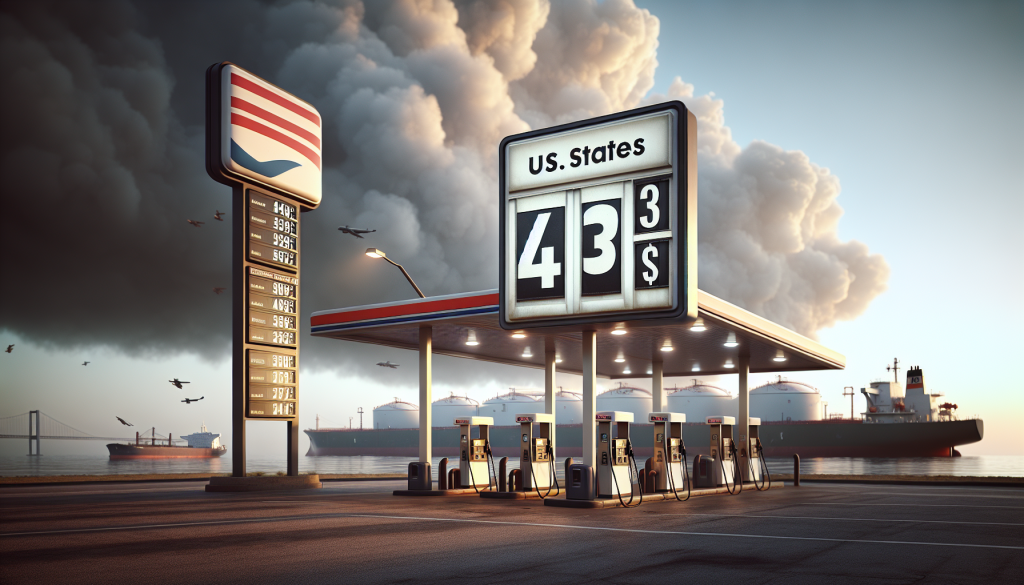
Gasoline prices in the United States have risen sharply, reaching $4.30 per gallon, marking an increase of nearly 30 cents within a single week. This surge is largely attributed to escalating tensions around the Strait of Hormuz, a critical chokepoint for global oil shipments, which has been subject to a blockade. The diplomatic impasse with Iran has further exacerbated concerns over supply disruptions, driving fuel costs higher across the country.
In a significant development, former President Donald Trump has weighed in on the situation, expressing optimism that gas prices will eventually decrease once the conflict involving Iran is resolved. His comments highlight the broader economic impact of geopolitical instability on energy markets and consumer costs. The rise in fuel prices has sparked widespread concern among Americans, as higher gasoline costs tend to ripple through the economy, affecting transportation and goods prices.
Meanwhile, the situation in the Strait of Hormuz remains a focal point for international energy security, given that a substantial portion of the world’s oil passes through this narrow waterway. The blockade and diplomatic deadlock with Iran underscore the vulnerability of global oil supply chains to regional conflicts. Market analysts continue to monitor developments closely, as prolonged disruptions could lead to sustained price volatility and economic repercussions worldwide.