US President Donald Trump has firmly stated that Iran will not be permitted to develop nuclear weapons, emphasizing that restrictions on the Strait of Hormuz will stay in effect until a formal agreement with Washington is secured.
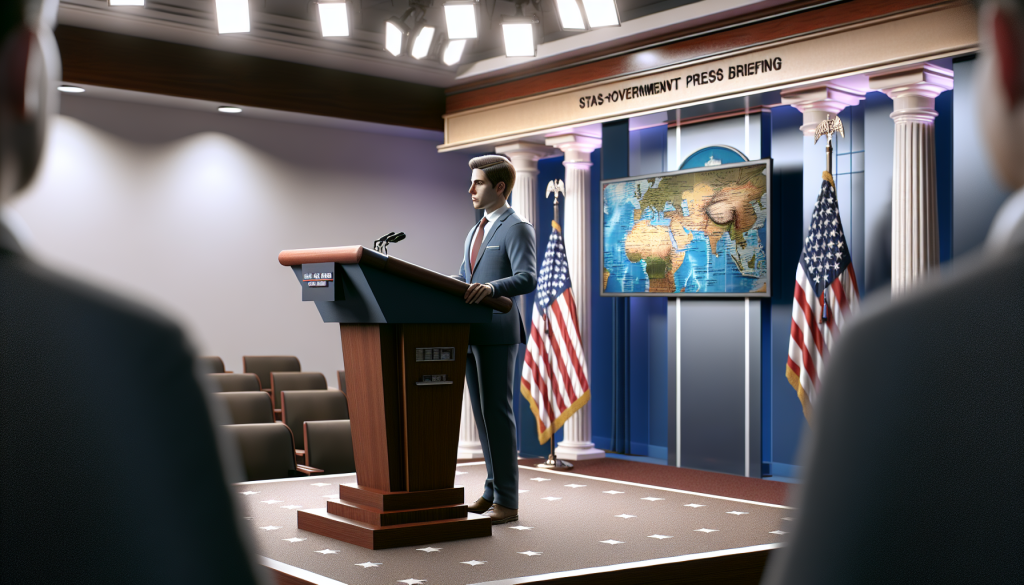
During a media briefing at the White House, Trump made clear that the United States would not engage in prolonged negotiations or undertake lengthy travel for symbolic discussions. He insisted that Iran must respond directly if it seeks a deal, noting, “We can’t travel 18 hours from the US just for a piece of paper to strike a deal with Iran.” He added that Tehran has already been informed of Washington’s stance.
Trump acknowledged that initial talks had occurred but indicated there were “no positive responses” from Iran. He reiterated, “We do not allow Iran to have nuclear weapons,” while leaving the door open for communication should Tehran choose to initiate contact.
Reaffirming his tough approach, Trump linked the ongoing blockade of the Strait of Hormuz to the nuclear negotiations, stating the maritime restrictions will remain until a comprehensive agreement is finalized with the United States.
He also asserted that Iran has endured substantial damage to its military assets, including vessels, nuclear facilities, and energy infrastructure, which has severely weakened its economy.
On the diplomatic front, Trump mentioned having a “very good conversation” with Russian President Vladimir Putin focused on ending the war in Ukraine. He also reflected on his meeting with King Charles III, describing it as “positive and great,” and noted that the British monarch concurred with the US position on Iran despite differing views on Ukraine and NATO policy.