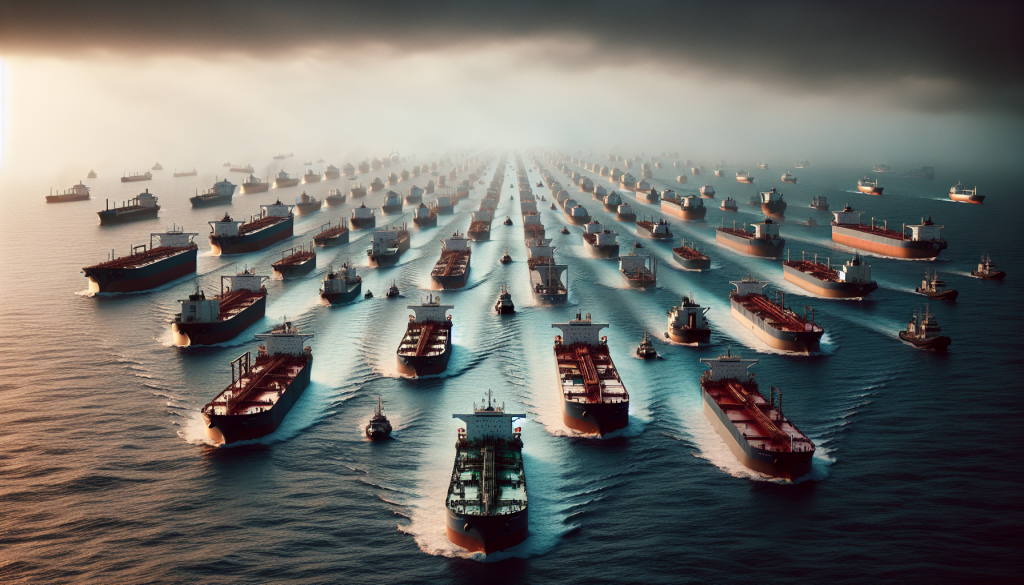
Maritime activity in the Strait of Hormuz has drastically decreased as ongoing diplomatic and military tensions between the United States and Iran continue to escalate. This narrow waterway, which serves as a critical chokepoint for global oil transportation, has seen only a fraction of its usual shipping volume. The persistent deadlock between the two nations has heightened concerns over the security and stability of energy supplies worldwide.
Historically, the Strait of Hormuz has been a vital passage for nearly a fifth of the world’s petroleum, making any disruption a significant threat to international markets. The current stalemate has led to increased naval deployments and heightened alertness among commercial vessels navigating the area. Analysts warn that prolonged restrictions could exacerbate global fuel price volatility and strain diplomatic relations beyond the region.
In a significant development, the reduced shipping flow underscores the broader geopolitical struggle affecting maritime commerce and energy security. Stakeholders in global trade are closely monitoring the situation, as any further deterioration could prompt alternative routing strategies or emergency responses. Meanwhile, efforts to resolve the US-Iran impasse remain stalled, prolonging uncertainty for international shipping and energy sectors alike.