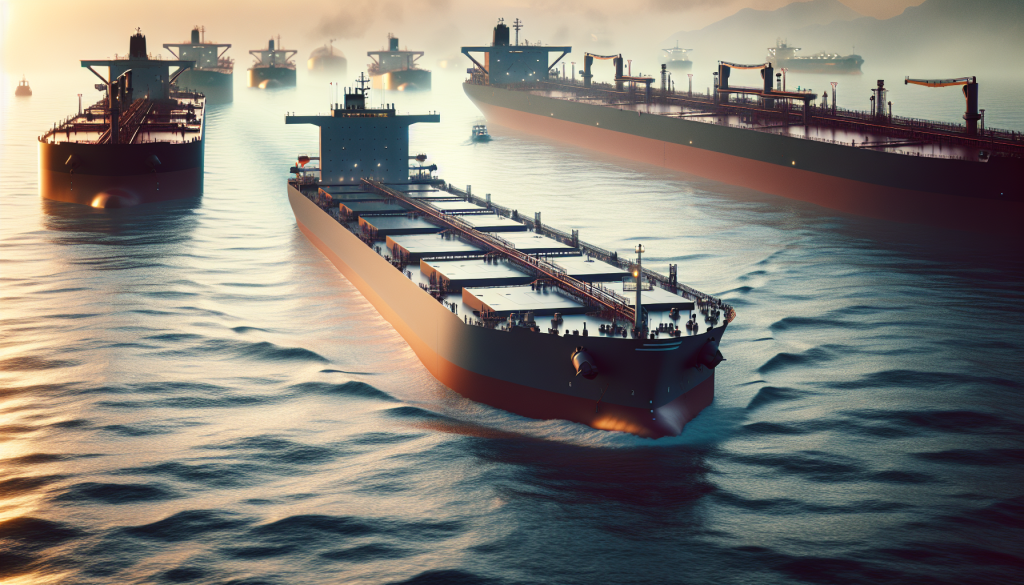
In the context of the ongoing Hormuz Strait blockade, analysts are evaluating Russia’s potential to act as a crucial economic partner for Iran. The blockade has intensified Iran’s need for alternative trade routes and economic support to mitigate the impact on its exports and imports. Russia, with its vast resources and strategic positioning, appears as a possible lifeline that could help Iran circumvent some of these challenges. However, the feasibility of this partnership depends heavily on overcoming significant logistical obstacles.
Despite the apparent opportunity for Moscow to assist Tehran, experts caution that the high costs and complex logistics involved in rerouting trade through Russia may diminish the attractiveness of this option over time. Transporting goods across vast distances and through multiple transit points could increase expenses and delay deliveries, undermining the economic benefits. Furthermore, international sanctions and geopolitical tensions add layers of complexity to any sustained economic collaboration between the two nations.
In a significant development, the analysis suggests that while Russia could provide short-term relief to Iran’s economic difficulties caused by the Hormuz blockade, the long-term incentives remain limited. The situation underscores the broader challenges faced by countries reliant on critical maritime routes and highlights the importance of diversified trade partnerships. As the blockade continues, Iran’s search for viable economic lifelines will likely remain a key focus for regional and global observers.