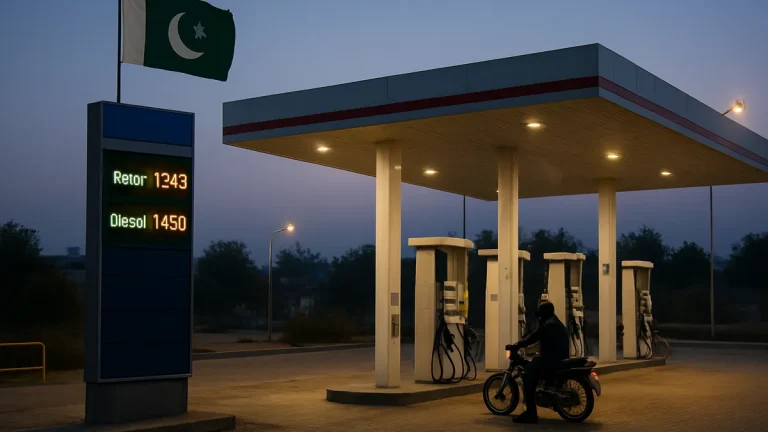
The ongoing conflict involving the US and Israel against Iran has significantly impacted global markets, particularly driving up the prices of essential commodities such as fuel and food. This surge in costs is exacerbating economic hardships for vulnerable populations across the world. Experts warn that these inflationary pressures could push approximately 32.5 million people into poverty, reversing years of progress in global poverty reduction efforts.
Fuel and food price hikes have a cascading effect on economies, especially in developing countries where a large portion of household income is spent on basic necessities. The conflict’s disruption of supply chains and energy markets contributes to inflation, which disproportionately affects low-income families. This situation highlights the broader geopolitical risks that can translate into severe humanitarian consequences, underscoring the interconnectedness of global security and economic stability.
In a significant development, international organizations and policymakers are urged to address the fallout from this conflict to prevent a deepening poverty crisis. Mitigating these impacts requires coordinated efforts to stabilize markets and provide targeted support to those most at risk. The situation serves as a stark reminder of how geopolitical tensions can have far-reaching effects beyond immediate conflict zones, influencing global welfare and development trajectories.