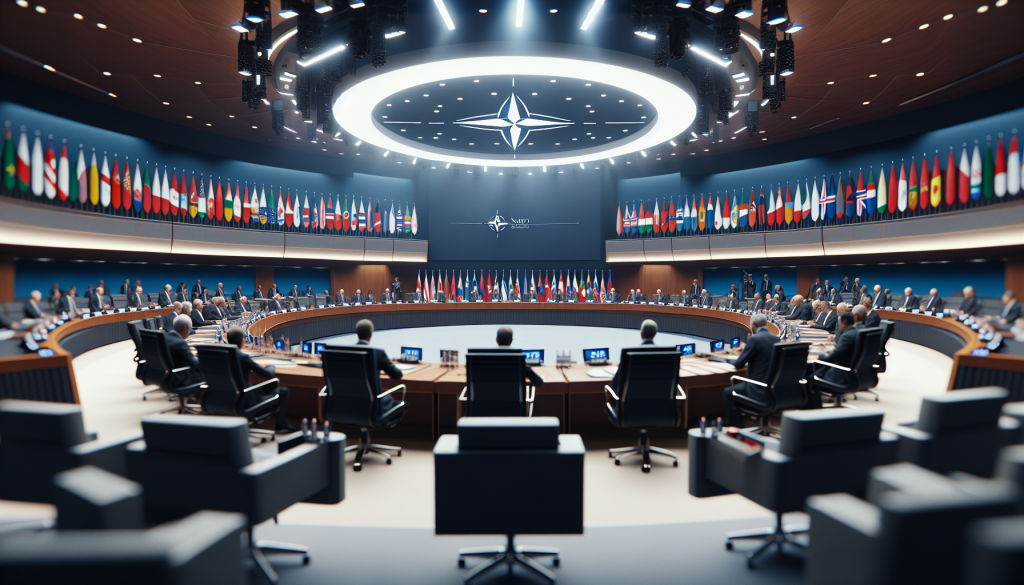
In a significant development, former U.S. President Donald Trump has voiced strong frustration towards European NATO allies for their refusal to engage in military operations against Iran. This criticism underscores growing tensions within the alliance regarding collective defense commitments and burden-sharing. Trump’s remarks come amid ongoing geopolitical challenges in the Middle East, where Iran’s activities continue to provoke international concern.
Historically, NATO has relied on the principle of mutual defense, with member states expected to support each other in times of conflict. However, divergent national interests and strategic priorities have often complicated unified responses, especially in conflicts outside the Euro-Atlantic area. Europe’s reluctance to participate in a potential Iran conflict reflects broader debates about the scope and limits of NATO’s role beyond its traditional boundaries.
Meanwhile, Trump’s public rebuke may influence transatlantic relations and future NATO cohesion, as the alliance navigates complex security threats. The situation highlights the challenges of maintaining solidarity among diverse members facing different regional pressures. How NATO addresses these internal disagreements could shape its effectiveness and credibility in managing global security crises moving forward.