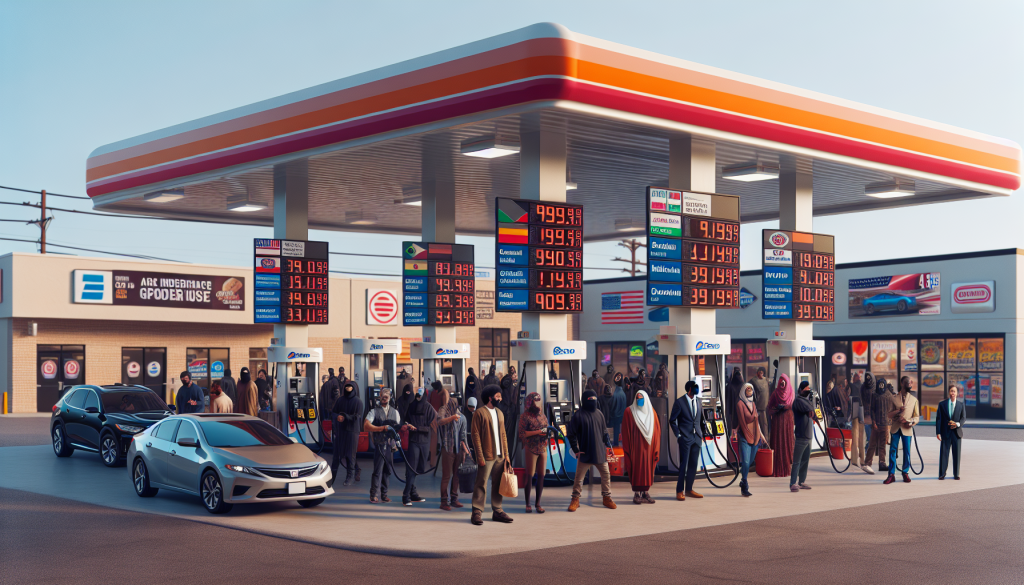
A recent /Ipsos poll highlights that a significant portion of the American public holds former President Donald Trump accountable for the recent increase in gasoline prices amid the midterm election cycle. This sentiment reflects broader economic concerns as voters assess the impact of political leadership on everyday expenses. Gas prices have historically influenced voter behavior, making this issue particularly relevant during election years.
In a significant development, the timing of the price surge coincides with heightened political activity, suggesting that economic factors could sway electoral outcomes. Rising fuel costs affect not only individual consumers but also businesses reliant on transportation, amplifying the economic ripple effects nationwide. The poll’s findings underscore the intersection of economic conditions and political accountability in the public discourse.
Meanwhile, the blame placed on Trump for the gas price hike may influence campaign narratives and voter priorities as the midterms approach. This dynamic illustrates how economic challenges are often politicized, with parties seeking to attribute responsibility to opponents. Understanding public perception of such issues is crucial for candidates aiming to address voter concerns and shape policy agendas moving forward.