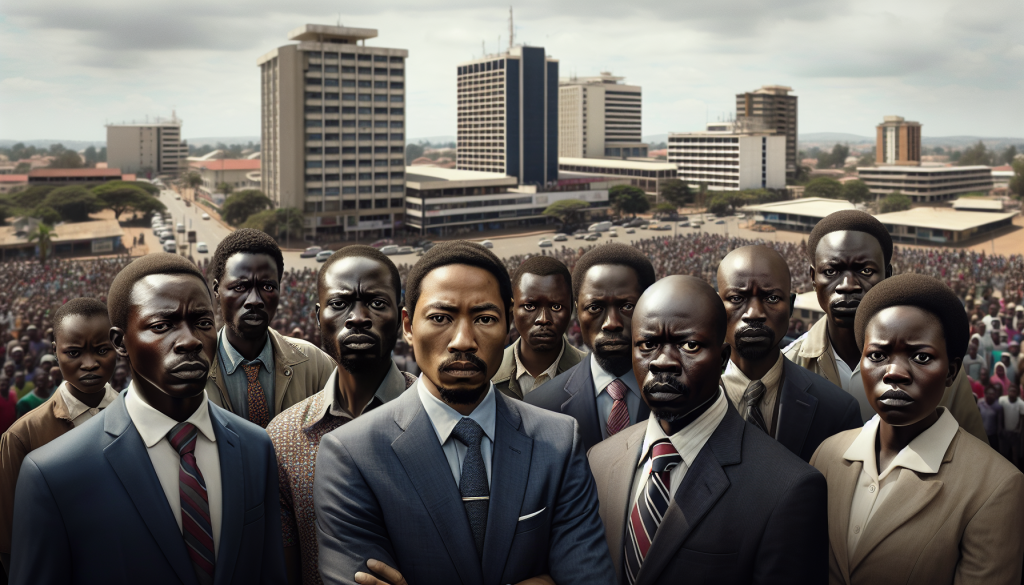
Zambia, a country historically rooted in pan-Africanism and unity, is facing internal challenges as some black citizens express feelings of marginalization. Despite the nation’s founding principles that emphasize solidarity and equality among African peoples, several black Zambians have shared experiences of being treated as second-class citizens within their own homeland. This sentiment highlights a growing discourse on racial and social dynamics in Zambia, which prides itself on its anti-colonial legacy.
In a significant development, these personal accounts bring to light the complexities of identity and belonging in a nation that has long championed African unity. The issue underscores the persistent struggles against systemic inequalities that can exist even in countries with strong ideological commitments to racial justice. Meanwhile, these concerns prompt a broader reflection on how post-colonial societies address internal disparities and social cohesion.
The impact of such revelations could influence national conversations on race relations and policy reforms aimed at fostering inclusivity. Notably, Zambia’s experience serves as a case study for other African nations grappling with similar challenges of reconciling historical ideals with present realities. As the dialogue continues, it may lead to strengthened efforts to ensure that all citizens feel equally valued and empowered within their country.