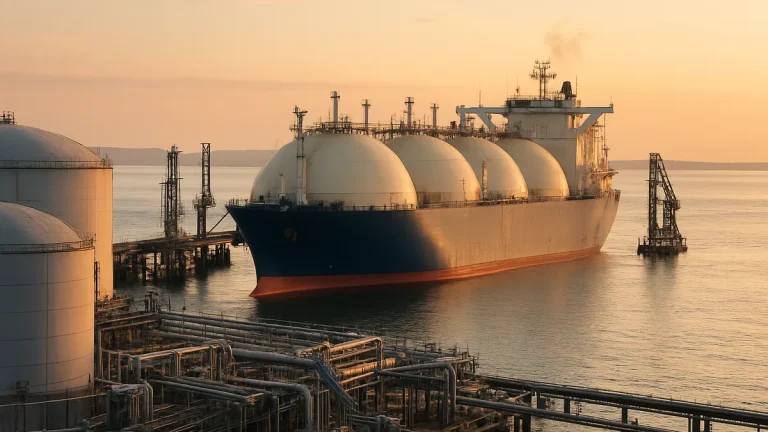
In a significant development, the United Nations Development Programme (UNDP) has issued a stark warning about the potential humanitarian fallout from a US-Israeli military confrontation with Iran. The conflict risks closing the Strait of Hormuz, a critical maritime chokepoint through which a substantial portion of the world’s fuel and fertilizer supplies transit. Such a closure would severely disrupt global supply chains, particularly affecting agricultural inputs essential for crop production.
The UNDP chief highlighted that interruptions in fuel and fertilizer availability would directly reduce crop yields, exacerbating food insecurity in vulnerable regions. This disruption could push an estimated 30 million people back into poverty, reversing years of progress in poverty alleviation and sustainable development. The warning underscores the interconnectedness of geopolitical conflicts and global food systems, emphasizing the far-reaching consequences beyond the immediate conflict zone.
Meanwhile, the potential economic and social impacts extend beyond agriculture, threatening broader stability in affected countries and regions dependent on these supplies. The UN’s alert calls for urgent diplomatic efforts to prevent escalation and maintain open shipping lanes through the Strait of Hormuz. This situation illustrates how geopolitical tensions can rapidly translate into humanitarian crises, affecting millions worldwide.