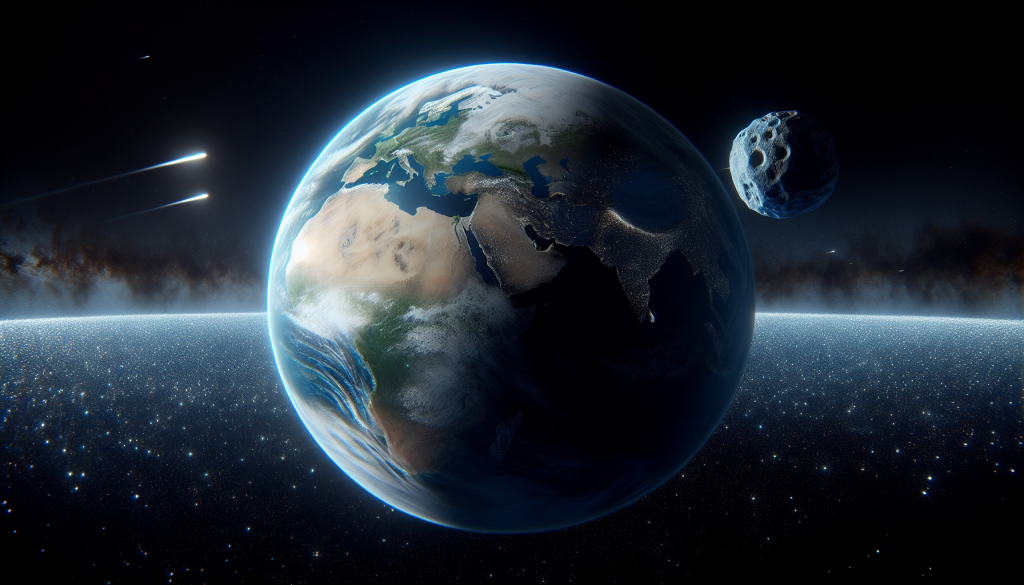
In a significant development, researchers have identified oxygen depletion as a more pressing threat to Earth’s habitability than the long-feared asteroid impacts. This finding shifts the focus from external cosmic events to internal planetary changes that could drastically alter the environment. Oxygen, essential for most life forms, is gradually diminishing due to various natural and human-induced factors, raising concerns about the long-term sustainability of ecosystems. The study underscores the importance of monitoring atmospheric composition to predict future habitability conditions.
Historically, asteroid strikes have been considered a primary cause of mass extinctions, including the event that wiped out the dinosaurs. However, this new perspective highlights that the gradual loss of oxygen could pose a more immediate and persistent danger to life on Earth. Factors such as deforestation, oceanic changes, and pollution contribute to this decline, affecting the planet’s ability to support complex organisms. Scientists emphasize that addressing these environmental issues is crucial to prevent irreversible damage.
Meanwhile, this revelation has significant implications for environmental policy and conservation efforts worldwide. It calls for enhanced strategies to protect oxygen-producing ecosystems like forests and oceans, which play a vital role in maintaining atmospheric balance. The findings also encourage further research into the mechanisms driving oxygen loss and how humanity can mitigate its impact. Ultimately, understanding and preserving Earth’s oxygen levels is essential to ensure the planet remains a viable habitat for future generations.