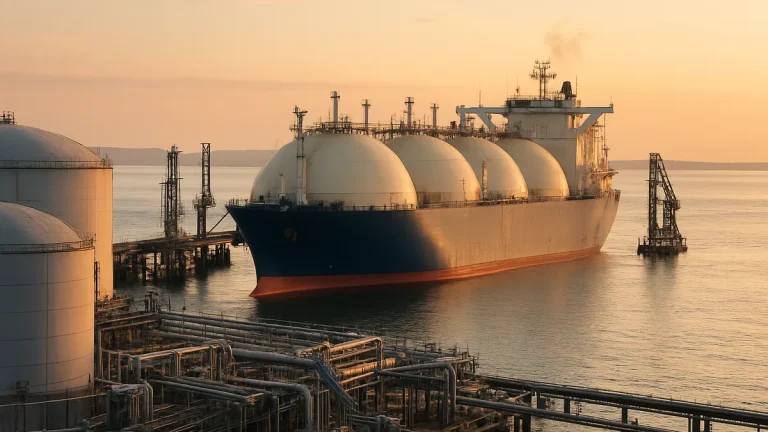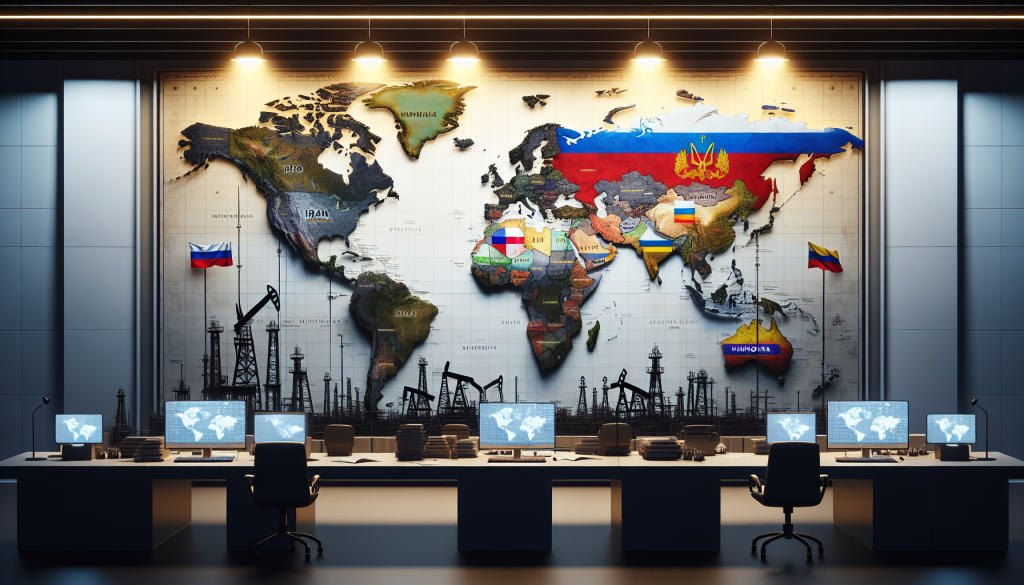
The escalating conflict involving Iran is exacerbating the global energy crisis, which in turn is impacting the ongoing war between Russia and Ukraine. Energy supplies and prices are critical factors in both conflicts, as disruptions in one region can ripple across international markets, affecting military capabilities and economic stability. Iran’s role as a major energy producer means that any instability there can lead to increased volatility in global oil and gas markets.
Meanwhile, the Russia-Ukraine war heavily depends on energy resources, with sanctions and supply chain interruptions influencing the conflict’s progression. The interconnectedness of these crises highlights how geopolitical tensions in one area can have far-reaching consequences, complicating diplomatic efforts and economic recovery worldwide. Countries reliant on energy imports face heightened uncertainty, forcing them to reconsider their energy strategies and alliances.
In a significant development, the compounded energy challenges underscore the importance of diversifying energy sources and enhancing international cooperation to mitigate the risks posed by such conflicts. The ongoing situation serves as a stark reminder of how intertwined global security and energy markets are, with the potential to reshape geopolitical landscapes and economic policies in the coming years.