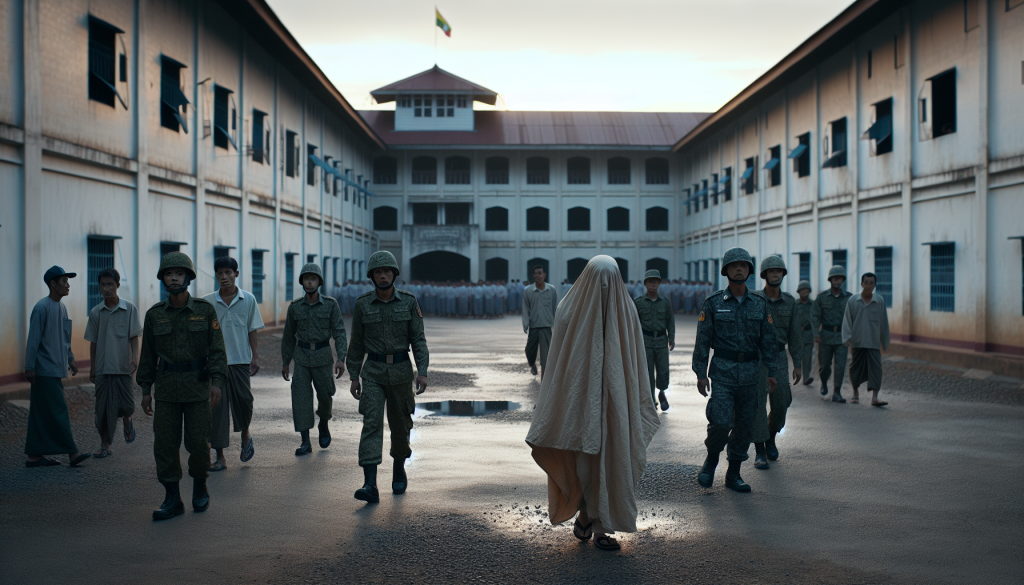

In a significant development, Myanmar has granted pardons to over 4,000 prisoners, among them the deposed former president Win Myint. This move marks a notable shift in the country’s political landscape, where military rule has dominated since the 2021 coup. The release of such a large number of detainees, including high-profile political figures, could signal attempts at easing internal tensions or responding to international pressure.
Meanwhile, the legal representative of Aung San Suu Kyi, Myanmar’s ousted civilian leader, announced that her jail sentence has been reduced. Suu Kyi has been a central figure in Myanmar’s recent political turmoil, and any change in her detention status is closely watched by both domestic supporters and global observers. The reduction in her sentence may reflect ongoing negotiations or strategic decisions by the ruling authorities.
This wave of pardons and sentence adjustments comes amid a backdrop of widespread unrest and calls for democratic restoration in Myanmar. The international community has repeatedly condemned the military’s actions, and these developments could influence diplomatic relations and future dialogues. However, the long-term impact on Myanmar’s political stability and human rights situation remains uncertain as the country navigates this complex transition.