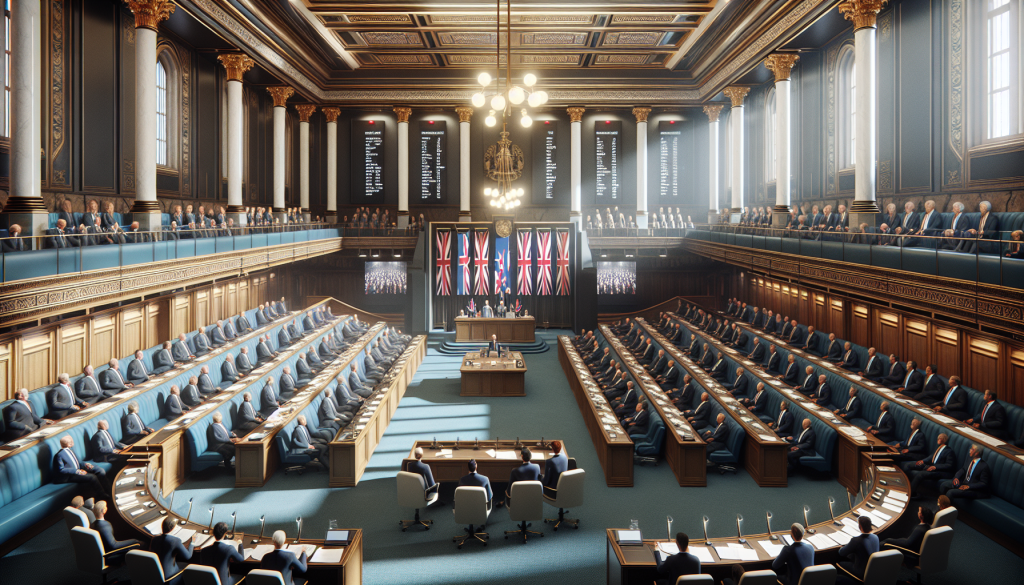

The US House of Representatives recently voted against a resolution designed to limit former President Donald Trump’s power to unilaterally engage in military action against Iran. This legislative move came shortly after the Senate also rejected a comparable resolution, with both chambers divided largely along party lines. Nearly all Democrats supported the measure, emphasizing concerns over unchecked executive authority in matters of war. Meanwhile, most Republicans opposed the resolution, citing the need for presidential flexibility in foreign policy decisions.
In a significant development, this vote highlights ongoing tensions between Congress and the executive branch regarding war powers and oversight. The debate centers on the balance of power in authorizing military engagements, especially in volatile regions like the Middle East. Lawmakers advocating for the resolution argue that congressional approval should be mandatory before any military action against Iran, aiming to prevent unilateral decisions that could escalate conflicts. Opponents contend that rapid responses may be necessary to protect national security interests.
This episode reflects broader concerns about the scope of presidential authority in foreign affairs, particularly following the Trump administration’s controversial actions in the region. The failure of these resolutions in both the House and Senate underscores the challenges Congress faces in asserting its constitutional role over war powers. As tensions with Iran persist, the question of how to effectively regulate military interventions remains a critical issue for US policymakers and international observers alike.