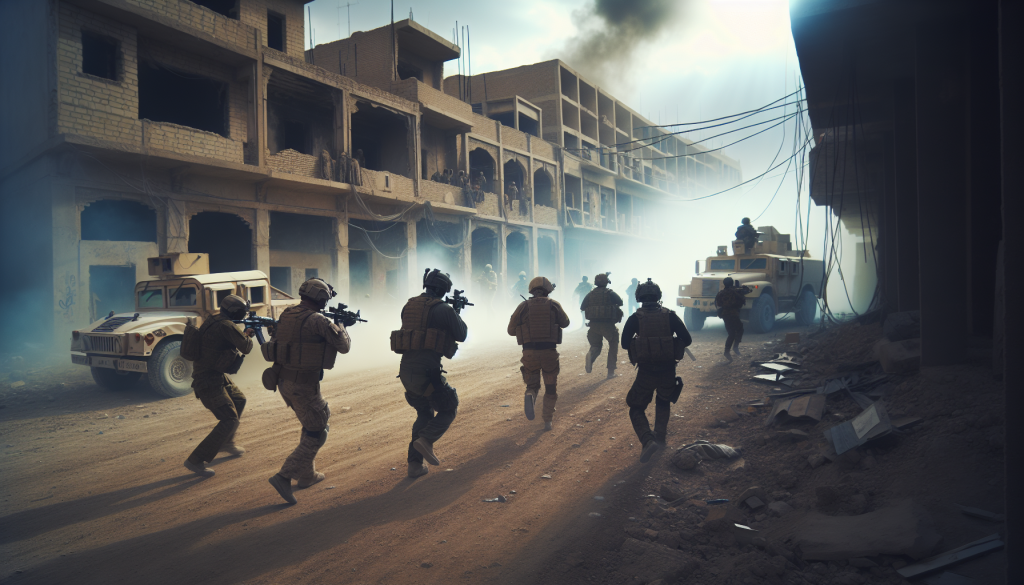

Sudan’s ongoing conflict between the national army and the Rapid Support Forces (RSF) has now stretched into its fourth year without a definitive resolution. Despite prolonged fighting, neither faction has managed to secure a decisive military advantage, resulting in a persistent stalemate. This deadlock has severely hampered efforts to restore peace and stability in the region. The protracted nature of the conflict underscores the complexity of the political and military dynamics at play.
Meanwhile, the humanitarian situation across Sudan continues to deteriorate as the war drags on. Civilians face increasing hardships, including displacement, food shortages, and limited access to medical care. International aid organizations have repeatedly called for ceasefires to facilitate relief operations, but sustained violence has obstructed these efforts. The ongoing crisis highlights the urgent need for a negotiated settlement to alleviate suffering.
In a significant development, the impasse between the Sudanese army and RSF signals a broader challenge to peacebuilding in the country. The conflict’s persistence threatens regional stability and complicates international diplomatic initiatives aimed at conflict resolution. Without a breakthrough, Sudan risks further destabilization, impacting not only its citizens but also neighboring countries. The situation remains a critical concern for global humanitarian and political actors monitoring the region.