

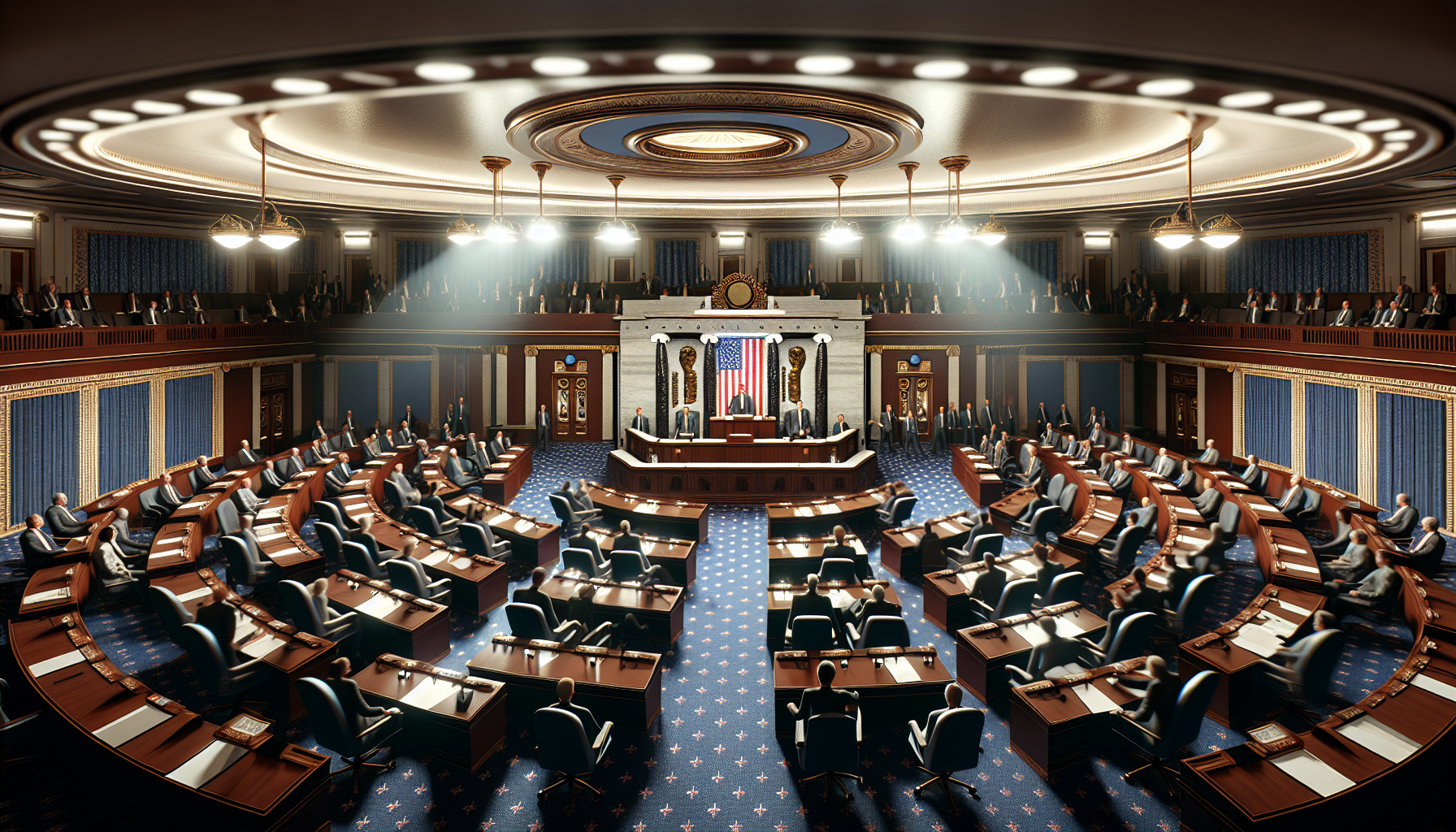
The US Senate has recommenced deliberations on the SAVE America Act, a contentious legislative proposal aimed at tightening voter identification requirements by demanding more rigorous proof of citizenship. This bill has been positioned as a key priority by former President Donald Trump, who argues that it is essential for safeguarding election integrity. The legislation seeks to implement stricter verification processes that could significantly impact voter eligibility and registration procedures across the country.
In a significant development within the ongoing debate over voting rights and election security, the SAVE America Act has sparked intense discussions among lawmakers, advocacy groups, and the public. Supporters contend that the bill will help prevent voter fraud and ensure that only eligible citizens participate in elections. Conversely, critics warn that the measure could disproportionately affect minority and marginalized communities by creating additional barriers to voting.
Meanwhile, the Senate’s engagement with this bill reflects broader national tensions surrounding electoral reforms and the balance between accessibility and security in the democratic process. The outcome of this debate could have far-reaching consequences for future elections in the United States, influencing voter turnout and the overall trust in the electoral system. As the discussion continues, stakeholders from various sectors remain closely attentive to the potential implications of the SAVE America Act.
