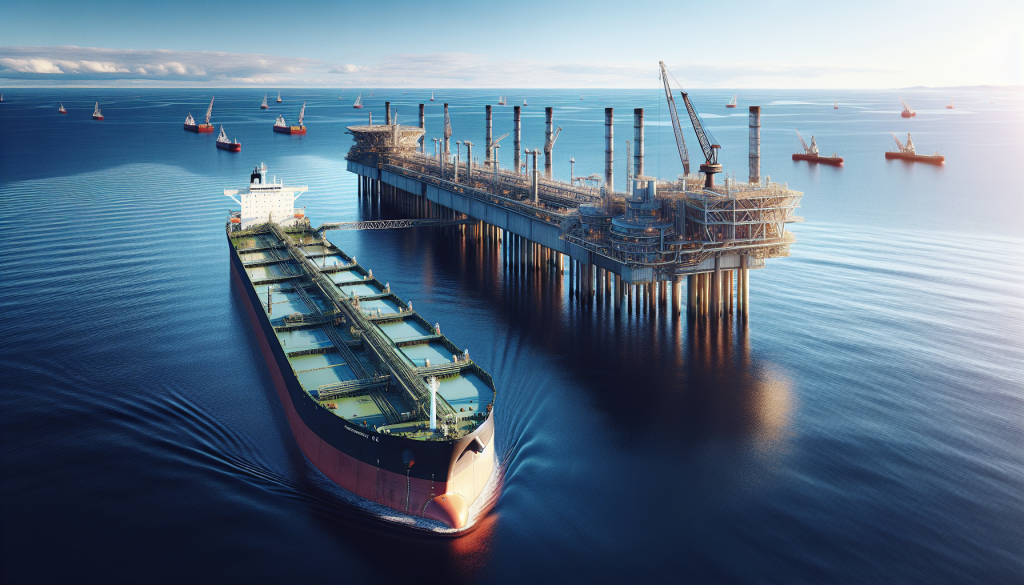

Norway’s crude oil exports soared to an unprecedented level in March, driven by the ongoing conflict in Iran and the shutdown of the vital Strait of Hormuz shipping route, which pushed oil prices higher. As Europe’s largest oil and natural gas producer outside Russia, Norway plays a key role in global energy markets.
Approximately 20% of the world’s crude oil and liquefied natural gas (LNG) typically transit through the Strait of Hormuz during peacetime. The closure of this crucial passage has triggered a major supply disruption, significantly impacting oil prices in March and resulting in Norway achieving its highest export value to date, noted analyst Jan Olav Rorhus.
Statistics Norway reported that crude oil exports in March reached 57.4 billion kroner ($6.08 billion), marking a 67.9% increase compared to the same month last year. The average oil price during March was 1,014 kroner ($107.52) per barrel, the highest monthly average since September 2023.
This surge in Norway’s oil revenue has drawn attention internationally, including from former US President Donald Trump. In a post on Truth Social, Trump criticized the United Kingdom for not exploiting its North Sea oil reserves, calling it “tragic” given Europe’s energy needs. He highlighted that Norway sells its North Sea oil to the UK at double the price, resulting in substantial profits for Norway.
Norway’s wealth is closely tied to its abundant oil and gas resources. The country channels its oil and gas earnings into its sovereign wealth fund, the largest globally, valued at approximately $2.19 trillion. Established in the early 1990s, this fund is designed to support Norway’s extensive welfare system and prepare for a future when oil and gas revenues are expected to decline.