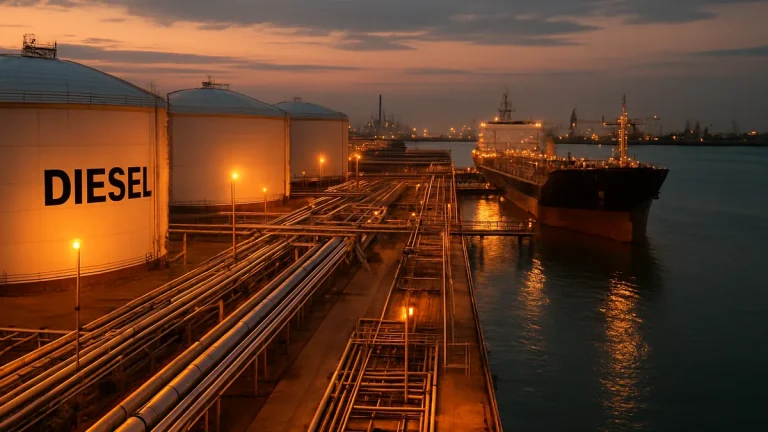

The United States has extended its blockade of Iranian ports into a second consecutive day, intensifying tensions in the strategically vital Strait of Hormuz. This maritime chokepoint is crucial for global oil shipments, and the blockade has raised concerns about potential disruptions to international energy supplies. The move reflects escalating pressure from the US on Iran amid ongoing geopolitical disputes.
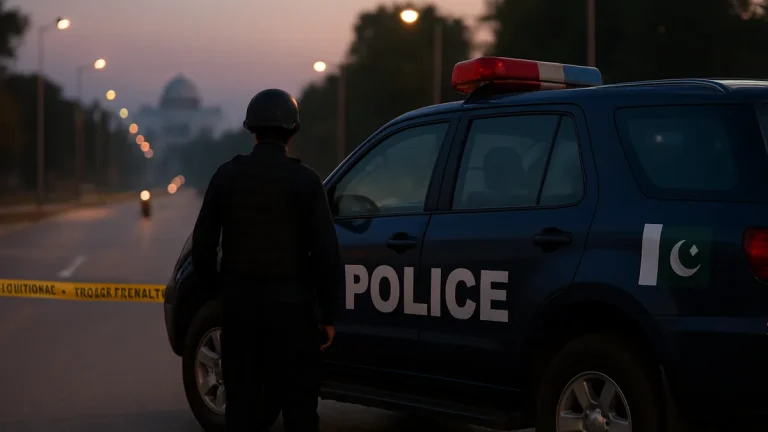
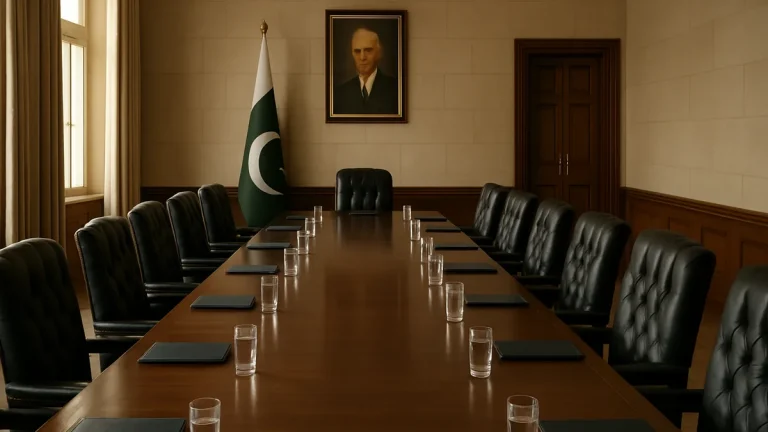
In a notable development, the US President indicated that a second round of diplomatic talks might take place in Pakistan, signaling a possible avenue for de-escalation. Pakistan’s geographic and political position makes it a significant venue for such negotiations, potentially facilitating dialogue between the involved parties. This hint at diplomacy contrasts with the hardline stance represented by the blockade, suggesting a complex interplay of pressure and negotiation.
The continuation of the blockade and the prospect of talks underscore the fragile state of US-Iran relations and their broader impact on regional stability. The situation remains fluid, with global markets and international actors closely monitoring developments. Any resolution or escalation will have significant implications for security in the Middle East and the global energy landscape.