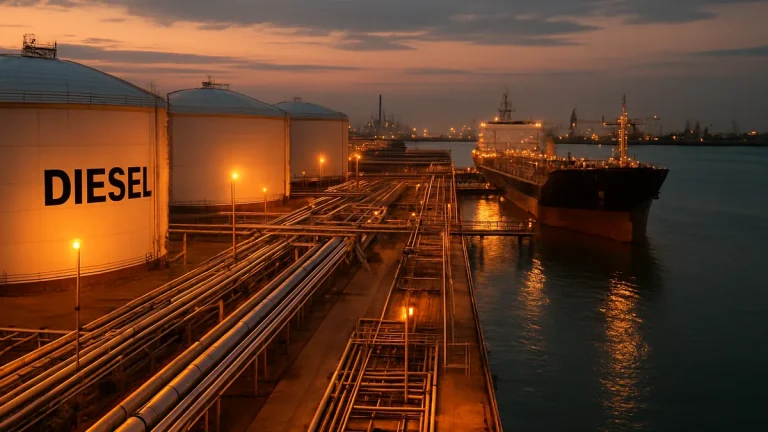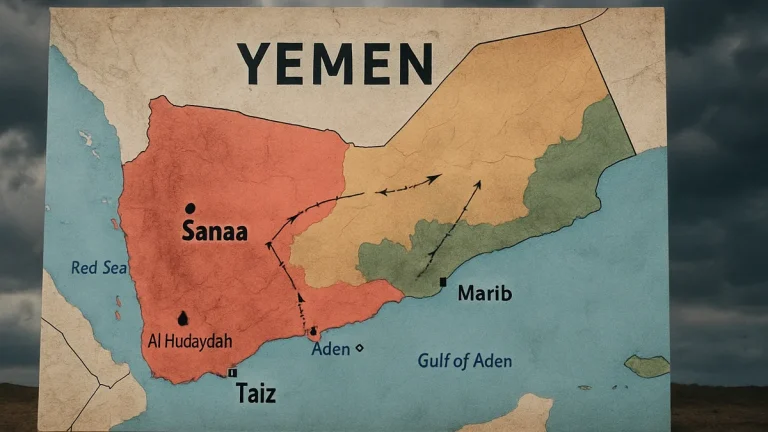

The Strait of Hormuz, a crucial maritime chokepoint for global oil shipments, has seen significant activity since the conflict involving Iran escalated. Data tracking maritime movements reveals that a total of 279 ships have navigated this narrow passage, underscoring its continued importance for international trade despite security risks. This strait connects the Persian Gulf with the Gulf of Oman and the Arabian Sea, making it a strategic route for energy exports from the region.
In a significant development, 22 vessels have been targeted in attacks during this period, highlighting the ongoing threats to maritime security in the area. These incidents have raised concerns among global powers and shipping companies about the safety of commercial navigation through the strait. The attacks contribute to heightened geopolitical tensions and have prompted calls for increased naval patrols and protective measures to safeguard shipping lanes.
Meanwhile, the impact of these attacks extends beyond immediate security issues, affecting global energy markets and insurance costs for shipping companies. The Strait of Hormuz remains a focal point in the broader conflict involving Iran, with implications for regional stability and international economic interests. Ensuring the safe passage of vessels through this vital corridor is critical for maintaining the flow of oil and gas supplies worldwide.